Exploring the Benefits of Cat's Claw for Dementia: A Comprehensive Guide
Discover how cat's claw may support cognitive health and alleviate dementia symptoms through its neuroprotective properties.
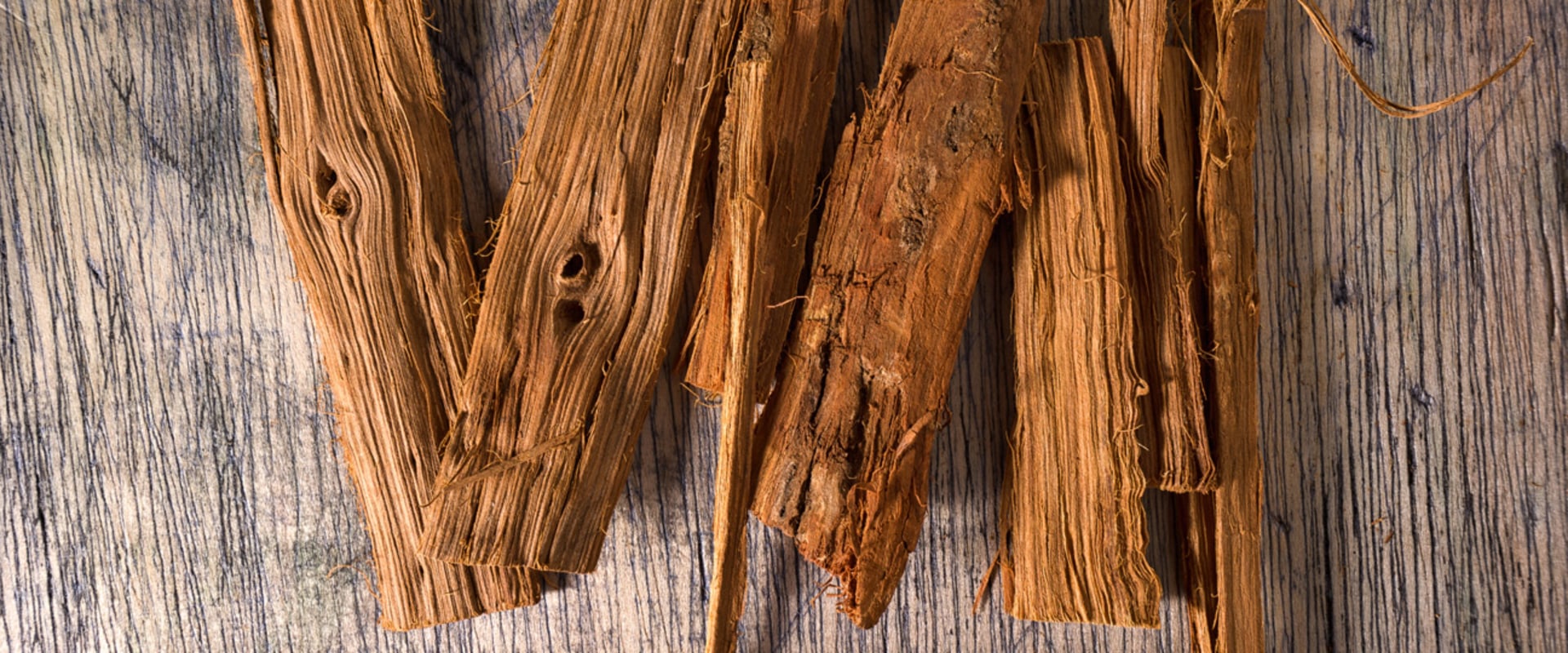
Cat's claw, scientifically known as Uncaria tomentosa, is a remarkable herbal remedy that has garnered attention for its potential health benefits, particularly in the realm of cognitive health. This climbing vine, native to the Amazon rainforest and other tropical areas of Central and South America, has been used for centuries by indigenous tribes for its medicinal properties. Traditionally, cat's claw has been employed to treat a variety of ailments, ranging from inflammation and arthritis to digestive issues and infections. However, its emerging role in supporting brain health, especially concerning conditions like dementia, is what makes it a subject of increasing interest. The name "cat's claw" derives from the plant's distinctive thorns that resemble a cat's claws.
These thorns are not just a unique feature; they also play a role in the plant's survival in its natural habitat. The roots and bark of cat's claw contain a rich array of bioactive compounds, including alkaloids, flavonoids, and polyphenols, which are believed to contribute to its therapeutic effects. As research continues to unfold, these compounds are being studied for their potential neuroprotective properties, which may help combat the cognitive decline associated with aging and neurodegenerative diseases. In recent years, the popularity of natural supplements has surged as more individuals seek alternatives to conventional medicine. Cat's claw stands out among these herbal remedies due to its extensive history and the growing body of scientific evidence supporting its efficacy.
As we delve deeper into the potential benefits of cat's claw for dementia and other cognitive disorders, it is essential to understand not only its origins and traditional uses but also how modern science is beginning to validate these ancient practices.
The Science Behind Cat's Claw and Cognitive Health
Research into the cognitive health benefits of cat's claw (Uncaria tomentosa) has gained momentum in recent years, particularly concerning its potential effects on conditions like dementia and Alzheimer's disease. This herbal remedy, traditionally used in South American medicine, is now being scrutinized for its neuroprotective properties. One of the primary areas of interest is the ability of cat's claw to combat the formation of amyloid plaques and tau tangles, which are hallmark features of Alzheimer's disease. Studies have indicated that specific compounds found in cat's claw, particularly proanthocyanidins and polyphenols, may inhibit the aggregation of beta-amyloid proteins. These proteins are known to form plaques that disrupt neuronal function and contribute to cognitive decline.Mechanisms of Action
The mechanisms through which cat's claw exerts its effects on cognitive health are multifaceted:- Antioxidant Activity: Cat's claw is rich in antioxidants, which help neutralize free radicals that can cause oxidative stress in brain cells.
This oxidative stress is linked to neurodegenerative diseases.
- Anti-inflammatory Properties: Chronic inflammation in the brain is another contributor to cognitive decline. Cat's claw has been shown to reduce levels of inflammatory cytokines, potentially alleviating some of the damage associated with neuroinflammation.
- Neuroprotective Effects: Some studies suggest that cat's claw may promote neuronal survival and regeneration, enhancing overall brain health.
As interest in natural remedies continues to grow, cat's claw stands out as a candidate worthy of further exploration in the realm of cognitive health.
Active Compounds in Cat's Claw: What Makes It Effective?
Cat's claw, scientifically known as Uncaria tomentosa, is a vine native to the Amazon rainforest and has been used for centuries in traditional medicine. Its effectiveness in promoting brain health, particularly in relation to conditions like dementia, can be attributed to its rich composition of active compounds, notably polyphenols and proanthocyanidins .Polyphenols
are a diverse group of naturally occurring compounds found in plants, known for their antioxidant properties. In cat's claw, these polyphenols play a crucial role in combating oxidative stress, which is a significant factor in neurodegenerative diseases. By neutralizing free radicals, polyphenols help protect brain cells from damage and may enhance cognitive function. Among the various polyphenolic compounds present in cat's claw, proanthocyanidins stand out due to their potent biological activities.
These compounds are known for their ability to inhibit the formation of beta-amyloid plaques and tau tangles—two hallmark features of Alzheimer’s disease. Research indicates that proanthocyanidins can significantly reduce the aggregation of these proteins, thereby potentially slowing the progression of dementia. The mechanism by which proanthocyanidins exert their effects involves several pathways:
- Inhibition of Fibril Formation: Proanthocyanidins have been shown to inhibit the fibrillogenesis of amyloid-beta peptides, which is crucial in preventing plaque formation.
- Anti-inflammatory Effects: These compounds also exhibit anti-inflammatory properties that can reduce neuroinflammation, a contributing factor to cognitive decline.
- Neuroprotective Properties: By enhancing neuronal survival and promoting synaptic plasticity, proanthocyanidins support overall brain health.
How Cat's Claw May Help with Dementia Symptoms
Cat's claw, scientifically known as Uncaria tomentosa, has garnered attention for its potential benefits in alleviating symptoms associated with dementia and cognitive decline.This herbal remedy, traditionally used in South American medicine, is believed to possess several mechanisms that may support brain health and improve cognitive function. One of the primary ways cat's claw may help with dementia symptoms is through its ability to combat oxidative stress. Oxidative stress occurs when there is an imbalance between free radicals and antioxidants in the body, leading to cellular damage. Research indicates that cat's claw is rich in polyphenolic compounds, which are known for their antioxidant properties. By neutralizing free radicals, these compounds can help protect brain cells from damage, potentially slowing the progression of cognitive decline. Additionally, cat's claw has been shown to inhibit the formation of beta-amyloid plaques and tau tangles—two hallmark features of Alzheimer's disease.
Studies suggest that specific extracts from cat's claw can reduce the aggregation of beta-amyloid proteins, which are responsible for plaque formation in the brain. By preventing these plaques from forming, cat's claw may help maintain healthier brain function and memory. Moreover, cat's claw may enhance neurogenesis—the process by which new neurons are formed in the brain. This is particularly important for individuals experiencing memory loss or cognitive decline, as increased neurogenesis can lead to improved learning and memory capabilities. Some studies have indicated that the active compounds in cat's claw can stimulate the production of nerve growth factor (NGF), a protein essential for the survival and growth of neurons. Furthermore, the anti-inflammatory properties of cat's claw could play a significant role in its effectiveness against dementia symptoms.
Chronic inflammation in the brain is linked to various neurodegenerative diseases, including Alzheimer's. By reducing inflammation, cat's claw may help create a more favorable environment for cognitive function and overall brain health. In summary, while more research is needed to fully understand the extent of cat's claw's benefits for dementia symptoms, its antioxidant properties, ability to inhibit plaque formation, potential to promote neurogenesis, and anti-inflammatory effects suggest it could be a valuable addition to strategies aimed at supporting cognitive health.
Research Studies on Cat's Claw and Dementia: Key Findings
Research into the potential benefits of cat's claw (Uncaria tomentosa) for dementia treatment has gained traction in recent years, particularly due to its unique chemical composition that may influence cognitive health. Several studies have explored its efficacy, focusing on its ability to combat the pathological features associated with dementia, such as amyloid plaques and tau tangles. One pivotal study examined the effects of cat's claw extract on beta-amyloid protein, a key player in the development of Alzheimer's disease. Researchers found that specific fractions of cat's claw, particularly those rich in polyphenolic compounds, significantly inhibited the formation of beta-amyloid fibrils.This was demonstrated through various in vitro tests, including thioflavin T fluorometry and Congo red staining, which confirmed the extract's ability to reduce plaque formation. Another important aspect of cat's claw research involves its anti-inflammatory properties. Inflammation in the brain is a critical factor in the progression of dementia. Studies have shown that cat's claw can lower levels of inflammatory cytokines such as tumor necrosis factor-alpha (TNF-α) and interleukin-1 (IL-1), which are often elevated in individuals with cognitive decline. By mitigating these inflammatory responses, cat's claw may help protect neuronal health and function. Clinical trials have also been initiated to assess the safety and efficacy of cat's claw in human subjects with cognitive impairments.
Preliminary results indicate that participants who received cat's claw extract exhibited improvements in cognitive function compared to those on placebo. These findings suggest that cat's claw could be a promising adjunct therapy for individuals at risk of or currently experiencing dementia. In summary, while more extensive clinical trials are necessary to fully establish the efficacy of cat's claw for dementia treatment, existing research highlights its potential benefits. The combination of its ability to inhibit amyloid plaque formation and reduce neuroinflammation positions cat's claw as a noteworthy candidate in the search for effective dementia therapies.
Potential Side Effects and Considerations When Using Cat's Claw
While cat's claw (Uncaria tomentosa) is often praised for its potential health benefits, particularly in relation to cognitive health and conditions like dementia, it is essential to consider the possible side effects and safety concerns associated with its use. Understanding these factors can help individuals make informed decisions about incorporating this herbal supplement into their wellness regimen.Common Side Effects
- Gastrointestinal Issues: Some users may experience digestive discomfort, including nausea, diarrhea, or stomach cramps.
These symptoms are often mild but can be bothersome for some individuals.
- Headaches: A few users have reported headaches after taking cat's claw, which may be attributed to its effects on blood circulation.
- Dizziness: In rare cases, dizziness has been noted, particularly in those who may be sensitive to changes in blood pressure.
Safety Concerns
As with any herbal supplement, there are safety considerations to keep in mind:
- Pregnancy and Breastfeeding: Cat's claw is not recommended for pregnant or breastfeeding women due to insufficient research on its safety during these periods.
- Autoimmune Disorders: Individuals with autoimmune conditions should exercise caution when using cat's claw, as it may stimulate the immune system and exacerbate symptoms.
- Surgery: Due to its potential effects on blood clotting, it is advisable to discontinue cat's claw at least two weeks before any scheduled surgery.
Drug Interactions
Cat's claw may interact with certain medications, including:
- Anticoagulants: The herb may enhance the effects of blood-thinning medications, increasing the risk of bleeding.
- Immunosuppressants: Those taking medications that suppress the immune system should consult a healthcare provider before using cat's claw.
Consultation with Healthcare Providers
Before starting any new supplement, including cat's claw, it is crucial to consult with a healthcare professional. This is especially important for individuals with pre-existing health conditions or those taking other medications. A healthcare provider can help assess the potential risks and benefits based on individual health profiles. In summary, while cat's claw may offer various health benefits, being aware of its potential side effects and safety concerns is vital for safe usage. By taking these precautions and seeking professional advice, individuals can better navigate their health choices regarding this herbal supplement.
How to Incorporate Cat's Claw into Your Diet or Supplement Routine
Incorporating cat's claw into your daily routine can be a beneficial way to harness its potential health advantages, particularly for cognitive support and overall wellness.Here are some practical methods to include this powerful herb in your diet or supplement regimen.
Supplement Forms
Cat's claw is available in various forms, making it easy to find an option that suits your lifestyle:- Capsules and Tablets: These are the most common forms of cat's claw supplements. They offer a convenient way to consume a standardized dose. Look for products that specify the amount of active ingredients per serving.
- Tinctures: Liquid extracts of cat's claw can be taken directly or added to water or juice. Tinctures may provide faster absorption compared to capsules.
- Powdered Form: Cat's claw powder can be mixed into smoothies, yogurt, or oatmeal.
This form allows for versatile use in various recipes.
- Teas: Dried cat's claw bark can be steeped in hot water to make a herbal tea. This method not only provides the benefits of cat's claw but also offers a soothing beverage option.
Dosage Recommendations
The appropriate dosage of cat's claw can vary based on individual health needs and the specific product used. However, general guidelines suggest:- Capsules/Tablets: A typical dosage ranges from 250 mg to 500 mg taken one to three times daily.
- Tinctures: Follow the manufacturer's instructions, but a common recommendation is 1-2 ml taken two to three times daily.
- Tea: Use about 1-2 teaspoons of dried bark per cup of boiling water, steeping for 10-15 minutes.
Dietary Inclusion
If you prefer incorporating cat's claw into your diet rather than taking supplements, consider these options:- Smoothies: Add powdered cat's claw to your favorite smoothie recipe for an extra health boost.
- Baking: Incorporate the powder into baked goods like muffins or energy bars for a nutritious twist.
- Cooking: Use cat's claw powder in soups or stews, allowing it to simmer and infuse its properties into the dish.
Frequently Asked Questions About Cat's Claw and Dementia
As interest in natural remedies grows, many people are curious about the potential benefits of cat's claw for conditions like dementia.Below are some frequently asked questions that address common concerns and misconceptions regarding this herbal supplement.
What is cat's claw?
Cat's claw, scientifically known as Uncaria tomentosa, is a vine native to the Amazon rainforest. Traditionally used in herbal medicine, it is believed to possess various health benefits due to its rich content of alkaloids and polyphenols.How does cat's claw relate to dementia?
Research suggests that cat's claw may have neuroprotective properties, which could be beneficial in managing dementia. Some studies indicate that its active compounds can inhibit the formation of beta-amyloid plaques and tau tangles, both of which are associated with Alzheimer's disease. However, while these findings are promising, more clinical trials are needed to establish definitive effects.Can cat's claw cure dementia?
No, cat's claw is not a cure for dementia.It may help alleviate some symptoms or slow progression in certain cases, but it should not replace conventional treatments prescribed by healthcare professionals. Always consult with a doctor before starting any new supplement.
Are there any side effects of taking cat's claw?
While cat's claw is generally considered safe for most people, it can cause side effects in some individuals. Common side effects may include:- Nausea
- Diarrhea
- Headaches
- Dizziness
What other treatment options are available for dementia?
Dementia treatment typically involves a combination of medications and lifestyle changes. Common medications include:- Cholinesterase inhibitors : These drugs help increase levels of acetylcholine, a neurotransmitter important for memory and learning.
- Memantine : This medication regulates glutamate activity to improve memory and cognitive function.
Conclusion: The Promise of Cat's Claw for Dementia Management
In summary, the exploration of cat's claw (Uncaria tomentosa) as a potential aid in managing dementia presents a promising avenue for both researchers and caregivers.The evidence gathered from various studies indicates that this natural herb may possess significant neuroprotective properties, particularly in relation to the pathological features associated with dementia, such as beta-amyloid plaques and tau protein tangles . Research has shown that specific compounds found in cat's claw, including polyphenols and proanthocyanidins, can inhibit the formation of these harmful proteins. This inhibition is crucial because the accumulation of beta-amyloid plaques and tau tangles is a hallmark of Alzheimer's disease and other forms of dementia. By potentially reducing these proteins, cat's claw may help to slow cognitive decline and improve overall brain health. Moreover, the anti-inflammatory properties of cat's claw contribute to its therapeutic potential. Chronic inflammation in the brain is another factor that exacerbates cognitive decline.
By lowering levels of inflammatory cytokines such as TNF-α and interleukin-1, cat's claw may create a more favorable environment for neuronal health and function. While the findings are encouraging, it is essential to approach the use of cat's claw with caution. Further clinical trials are necessary to establish optimal dosages, long-term effects, and potential interactions with other medications. Individuals considering cat's claw as a supplement should consult healthcare professionals to ensure it aligns with their treatment plans. In conclusion, the potential benefits of cat's claw for individuals dealing with dementia are becoming increasingly evident. As research continues to unfold, this natural remedy could play a vital role in enhancing cognitive function and providing relief for those affected by this challenging condition.
The journey towards understanding and harnessing the full capabilities of cat's claw is just beginning, but its promise is undeniably compelling.