Exploring the Healing Power of Cat's Claw for Inflammation Relief
Discover the healing power of cat's claw for inflammation relief. Explore its benefits for arthritis and gastrointestinal health.
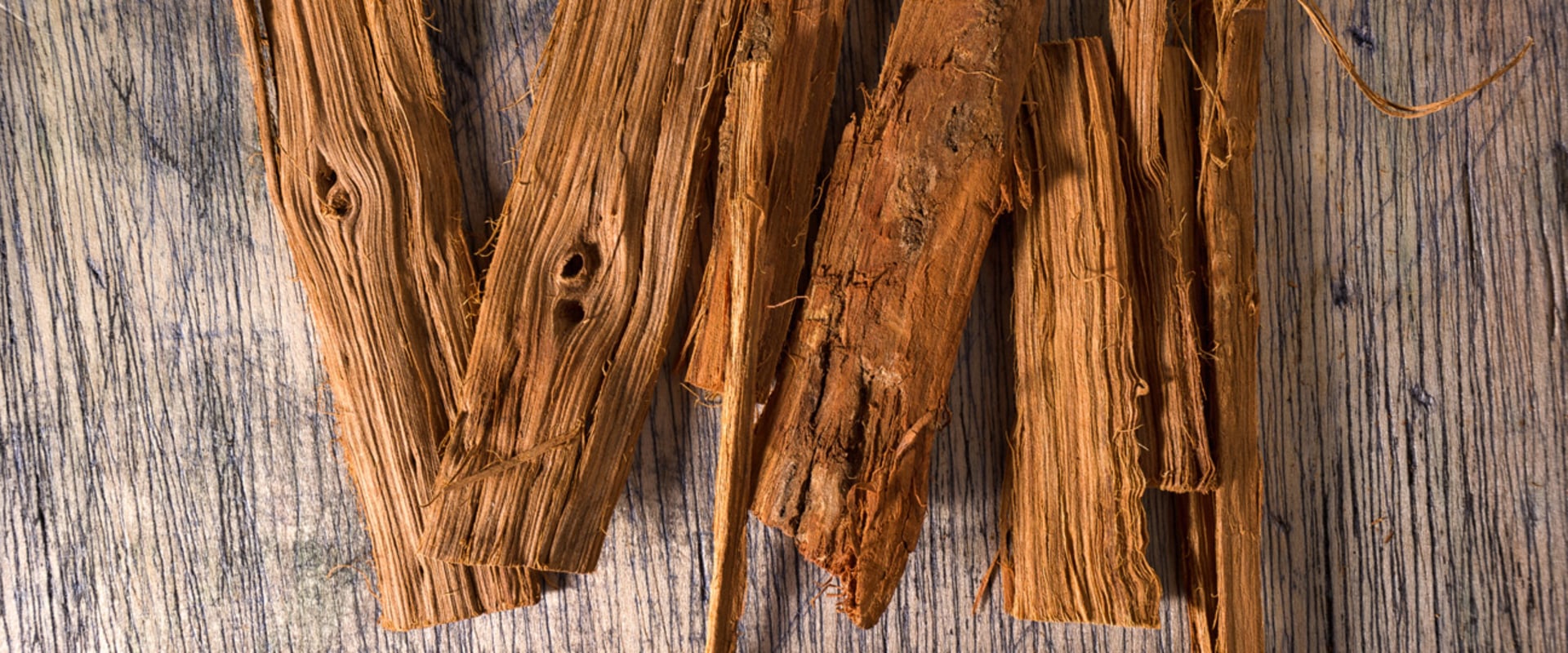
Cat's claw, scientifically known as Uncaria tomentosa, is a remarkable vine that thrives in the lush rainforests of South America. This potent plant has been utilized for centuries by indigenous tribes, who recognized its potential as a natural remedy for various ailments. Traditionally, cat's claw has been employed to treat conditions ranging from digestive issues to inflammatory diseases, showcasing its versatility and effectiveness as a herbal medicine. The name "cat's claw" derives from the distinctive thorns that resemble a cat's claw, which help the vine climb and thrive in its natural habitat. The bark and roots of this plant are rich in bioactive compounds, including alkaloids, glycosides, and flavonoids, which contribute to its therapeutic properties.
These compounds are believed to work synergistically to provide a range of health benefits, particularly in reducing inflammation and supporting the immune system. In recent years, the interest in cat's claw has surged in Western herbal medicine, as more people seek natural alternatives for managing chronic conditions. Among its many cat's claw benefits , its ability to alleviate inflammation stands out. Research indicates that cat's claw may help reduce swelling and pain associated with inflammatory disorders such as arthritis and gastrointestinal issues. This makes it an appealing option for those looking for holistic approaches to health and wellness. As we delve deeper into the healing power of cat's claw, it is essential to understand not only its origins and traditional uses but also how it can be effectively integrated into modern health practices.
By exploring the science behind this ancient remedy, we can uncover the potential it holds for those seeking relief from inflammation and other related conditions.
The Science Behind Cat's Claw and Inflammation
Understanding the anti-inflammatory properties of cat's claw requires a closer look at its active compounds and how they interact with the body’s inflammatory pathways. Cat's claw, scientifically known as Uncaria tomentosa, contains several bioactive components, including alkaloids, glycosides, and tannins, which contribute to its therapeutic effects. One of the primary mechanisms through which cat's claw exerts its anti-inflammatory effects is by modulating the immune response. The alkaloids found in cat's claw, such as rhynchophylline and mitraphylline, have been shown to inhibit the production of pro-inflammatory cytokines. These cytokines are signaling molecules that play a crucial role in promoting inflammation.By reducing their levels, cat's claw can help alleviate symptoms associated with inflammatory conditions. Research studies have demonstrated that cat's claw can significantly decrease the activity of nuclear factor kappa B (NF-kB), a protein complex that regulates the expression of various genes involved in inflammation. When NF-kB is activated, it leads to an increase in inflammatory mediators. Cat's claw appears to inhibit this activation, thereby reducing inflammation at a cellular level. In addition to its effects on cytokines and NF-kB, cat's claw also exhibits antioxidant properties. Oxidative stress is known to exacerbate inflammation, and the antioxidants present in cat's claw can help neutralize free radicals, further supporting its role in reducing inflammation. Several studies have explored the efficacy of cat's claw in various inflammatory conditions:
- Rheumatoid Arthritis: A study published in the Journal of Ethnopharmacology found that patients with rheumatoid arthritis experienced significant reductions in joint pain and swelling when supplemented with cat's claw extract.
- Gastrointestinal Inflammation: Research has indicated that cat's claw can mitigate inflammation caused by non-steroidal anti-inflammatory drugs (NSAIDs), suggesting its potential as a protective agent for gastrointestinal health.
- Chronic Inflammatory Diseases: Preliminary studies have shown promise for cat's claw in managing conditions like Crohn’s disease and multiple sclerosis, where inflammation plays a central role.
By targeting multiple pathways involved in inflammation, cat's claw may offer a complementary approach to conventional treatments for those suffering from chronic inflammatory conditions.
Health Benefits of Cat's Claw for Inflammation Relief
Cat's claw, a powerful herbal remedy derived from a vine native to South America, has gained recognition for its numerous health benefits, particularly in the realm of inflammation relief. This section delves into the specific advantages of cat's claw, especially for individuals suffering from conditions like rheumatoid arthritis and gastrointestinal inflammation.Cat's Claw Benefits for Arthritis
Rheumatoid arthritis (RA) is a chronic autoimmune disorder characterized by painful inflammation in the joints. Research indicates that cat's claw may play a significant role in alleviating symptoms associated with this debilitating condition. The active compounds found in cat's claw, such as tannins and glycosides, have demonstrated anti-inflammatory properties that can help reduce joint pain and swelling.
-
Reduction of Joint Pain: Studies have shown that individuals with RA who incorporate cat's claw into their treatment regimen experience a notable decrease in joint pain.
This effect is particularly beneficial for those already using conventional medications, as cat's claw can enhance overall pain management.
- Decreased Swelling: The anti-inflammatory effects of cat's claw extend to reducing swelling in affected joints, providing relief and improving mobility for those suffering from arthritis.
Cat's Claw for Joint Pain
Beyond rheumatoid arthritis, cat's claw has been studied for its potential benefits in treating various forms of joint pain. Its ability to modulate inflammatory responses makes it a valuable option for individuals dealing with osteoarthritis and other inflammatory joint conditions. By targeting the underlying inflammation, cat's claw can help restore function and enhance quality of life.
Cat's Claw Gastrointestinal Benefits
The benefits of cat's claw are not limited to joint health; it also shows promise in addressing gastrointestinal inflammation. Conditions such as acute gastritis and enteropathy, often exacerbated by non-steroidal anti-inflammatory drugs (NSAIDs), can lead to significant discomfort and digestive issues.
Cat's claw has been found to:
- Reduce Inflammatory Mediators: Research indicates that cat's claw can significantly lower the release of inflammatory mediators in the gastrointestinal tract, thereby alleviating symptoms associated with inflammation.
- Support Gut Health: By mitigating inflammation, cat's claw may contribute to improved gut health, making it a potential adjunct therapy for individuals suffering from gastrointestinal disorders.
How to Use Cat's Claw Safely and Effectively
When considering the incorporation of cat's claw into your health regimen, understanding the appropriate usage is crucial for maximizing its benefits while minimizing potential risks. This section outlines the recommended dosages, various forms of cat's claw, and essential safety precautions to ensure effective and safe use.Recommended Dosage
The dosage of cat's claw can vary based on the form in which it is consumed and the specific health condition being addressed. Generally, the following guidelines can be considered:-
Capsules or Tablets: A common dosage is between 250 mg to 500 mg taken one to three times daily.
It is advisable to start with a lower dose and gradually increase it as needed.
- Tinctures: If using a tincture, a typical dosage ranges from 1 to 2 ml taken two to three times a day. Always check the concentration of the tincture, as this can affect the amount needed.
- Tea: For those who prefer a more traditional approach, brewing cat's claw tea can be beneficial. Use about 1 teaspoon of dried bark per cup of boiling water, steeping for 10-15 minutes. Drinking 1-2 cups daily is generally recommended.
How to Take Cat's Claw
Cat's claw can be consumed in several forms, each offering unique advantages:-
Capsules/Tablets: These are convenient and easy to dose.
They are ideal for those who prefer a quick and straightforward method of consumption.
- Tinctures: Tinctures are concentrated liquid extracts that can be added to water or taken directly. They are absorbed quickly by the body, making them an effective option for immediate relief.
- Tea: Drinking cat's claw tea not only provides hydration but also allows for a soothing ritual that many find beneficial for overall wellness.
Safety Precautions
While cat's claw is generally considered safe for most individuals, there are important safety precautions to keep in mind:- Consult Your Healthcare Provider: Before starting any new supplement, especially if you are pregnant, nursing, or have existing health conditions, consult with your healthcare provider.
- Avoid Certain Medications: Cat's claw may interact with medications such as blood thinners or immunosuppressants. Always inform your doctor about any supplements you are taking.
- Monitor for Side Effects: Some individuals may experience gastrointestinal upset or allergic reactions. If you notice any adverse effects, discontinue use and consult a healthcare professional.
Potential Side Effects and Interactions of Cat's Claw
While cat's claw is celebrated for its numerous health benefits, particularly in reducing inflammation, it is essential to be aware of potential side effects and interactions with other medications.Understanding these aspects can help ensure safe and effective use.
Possible Side Effects
Although many individuals tolerate cat's claw well, some may experience side effects. Commonly reported side effects include:- Gastrointestinal Issues: Some users may experience stomach upset, diarrhea, or nausea. These symptoms are often mild but can be bothersome.
- Headaches: A few individuals have reported headaches after taking cat's claw, which may be related to its effects on blood circulation.
- Allergic Reactions: In rare cases, allergic reactions can occur, leading to symptoms such as rash, itching, or difficulty breathing. If any of these symptoms arise, it is crucial to seek medical attention immediately.
Interactions with Medications
Cat's claw may interact with various medications, potentially altering their effectiveness or increasing the risk of side effects.Some notable interactions include:
- Anticoagulants and Antiplatelet Drugs: Cat's claw may enhance the effects of blood-thinning medications like warfarin or aspirin, increasing the risk of bleeding.
- Immunosuppressants: For individuals taking medications that suppress the immune system (such as those for autoimmune diseases), cat's claw could interfere with their effectiveness due to its immune-boosting properties.
- Blood Pressure Medications: Cat's claw has been known to lower blood pressure. Therefore, if you are on antihypertensive medications, combining them with cat's claw could lead to excessively low blood pressure.
Who Should Avoid Cat's Claw?
Certain individuals should exercise caution or avoid using cat's claw altogether. These include:- Pregnant or Nursing Women: Due to insufficient research on its safety during pregnancy and lactation, it is advisable for women in these categories to avoid cat's claw.
- Individuals with Autoimmune Disorders: Those with conditions like multiple sclerosis or lupus should consult a healthcare provider before using cat's claw due to its immune-modulating effects.
- People Scheduled for Surgery: Given its potential to affect blood clotting, it is recommended to discontinue cat's claw at least two weeks before any surgical procedure.
Comparing Cat's Claw with Other Natural Anti-Inflammatories
When exploring natural remedies for inflammation, When exploring natural remedies for inflammation, cat's claw often comes up alongside other well-known options such as turmeric and ginger.Each of these herbs has unique properties that contribute to their anti-inflammatory effects, making them valuable additions to a holistic health regimen.
Cat's Claw vs. Turmeric
Turmeric, derived from the root of the Curcuma longa plant, contains an active compound called curcumin, which is widely recognized for its potent anti-inflammatory and antioxidant properties. Research has shown that curcumin can inhibit various inflammatory pathways in the body, making turmeric effective for conditions like arthritis and inflammatory bowel disease. In comparison, cat's claw works through different mechanisms. Its bark contains compounds such as alkaloids and glycosides that not only reduce inflammation but also support immune function.While turmeric is often praised for its ability to combat chronic inflammation, cat's claw may offer additional benefits by enhancing overall immune response, which can be particularly beneficial for those with autoimmune conditions.
Cat's Claw vs. Ginger
Ginger, another popular natural anti-inflammatory, contains gingerol, a compound known for its ability to alleviate pain and reduce inflammation. Studies have indicated that ginger can be effective in treating osteoarthritis and muscle soreness after exercise. Like cat's claw, ginger also possesses antioxidant properties that help protect cells from damage. However, while ginger primarily focuses on pain relief and reducing inflammation in the digestive tract, cat's claw has a broader range of applications.It has been studied for its potential benefits in treating conditions such as rheumatoid arthritis and gastrointestinal inflammation caused by NSAIDs.
Choosing the Right Remedy
The choice between these natural remedies often depends on individual health needs and preferences. For those seeking a comprehensive approach to managing inflammation, combining these herbs may yield synergistic effects. For instance, using turmeric for its curcumin content alongside cat's claw for immune support could enhance overall effectiveness. Ultimately, it is essential to consult with a healthcare professional before starting any new herbal regimen, especially if you are currently taking medications or have underlying health conditions. Each of these natural remedies offers unique benefits that can complement one another in the quest for inflammation relief.Frequently Asked Questions About Cat's Claw
As interest in cat's claw continues to grow, many individuals have questions regarding its safety, effectiveness, and the timeline for experiencing its benefits.Below are some of the most frequently asked questions about this remarkable herb.
Is Cat's Claw Safe?
Generally, cat's claw is considered safe for most people when taken in appropriate doses. However, like any supplement, it can cause side effects in some individuals. Common side effects may include:- Nausea
- Diarrhea
- Headaches
- Dizziness
Can Cat's Claw Cure Arthritis?
While cat's claw has shown promise in reducing inflammation and alleviating symptoms associated with arthritis, it is important to clarify that it is not a cure.Research indicates that cat's claw can help manage symptoms such as joint pain and swelling, particularly in conditions like rheumatoid arthritis. However, it should be used as a complementary treatment alongside conventional therapies rather than a standalone solution.
How Long Does It Take for Cat's Claw to Work?
The timeline for experiencing the benefits of cat's claw can vary significantly from person to person. Some individuals may notice improvements within a few days of starting the supplement, while others might take several weeks to feel its full effects. Factors influencing this timeline include:- The severity of the condition being treated
- The dosage and form of cat's claw used (e.g., capsules, tinctures)
- Individual body chemistry and metabolism
Conclusion: The Promise of Cat's Claw in Inflammation Management
In summary, the exploration of cat's claw benefits in managing inflammation reveals a promising avenue for those seeking natural alternatives to conventional treatments.This remarkable vine, native to South America, has been utilized for centuries in traditional medicine, and modern research is beginning to validate its efficacy in reducing inflammation and alleviating pain. Throughout this article, we have highlighted several key points regarding the potential of cat's claw:
- Anti-inflammatory Properties: The active compounds found in cat's claw, including tannins and sterols, have demonstrated significant anti-inflammatory effects. These properties can be particularly beneficial for individuals suffering from conditions such as rheumatoid arthritis and gastrointestinal inflammation.
- Complementary Treatment: While cat's claw should not replace conventional medications, it can serve as a valuable complementary treatment. Its ability to enhance the effects of existing therapies may provide additional relief for patients dealing with chronic inflammatory conditions.
- Research Support: Emerging studies indicate that cat's claw can effectively reduce inflammatory mediators and cell death associated with various inflammatory diseases. This scientific backing strengthens the case for its inclusion in holistic treatment plans.
-
Safety Considerations: Although cat's claw is generally considered safe, it is essential to consult with healthcare professionals before incorporating it into your regimen, especially if you are taking other medications.
Understanding potential interactions is crucial for ensuring safe usage.