The Truth About Taking Cat's Claw Every Day: Unveiling the Benefits and Risks
Discover the health benefits and potential risks of taking cat's claw daily. Learn how this powerful herb can enhance your well-being.
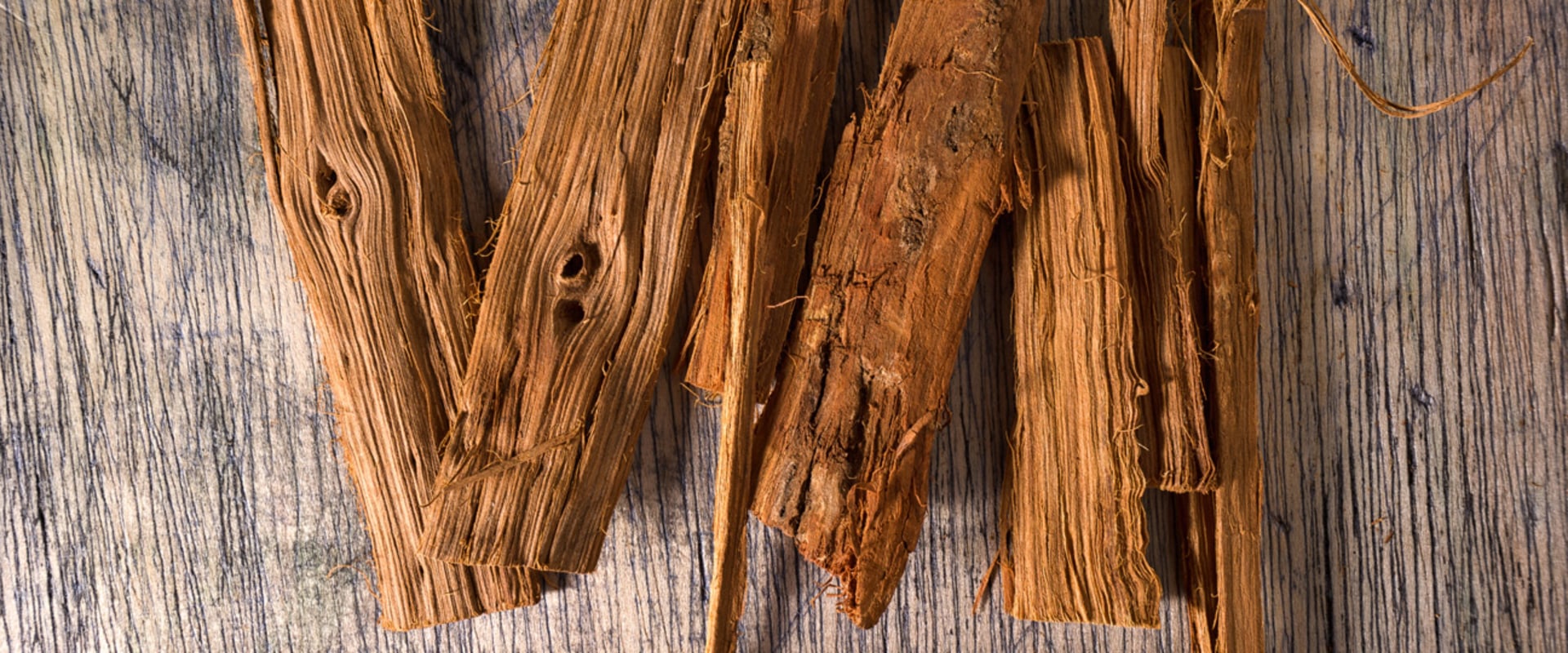
Cat's claw, scientifically known as Uncaria tomentosa, is a remarkable tropical vine that thrives in the lush environments of the Amazon rainforest and other regions of Central and South America. This unique plant has garnered attention not only for its distinctive claw-like thorns but also for its extensive history of use in traditional medicine. Indigenous tribes have utilized cat's claw for centuries, relying on its potent properties to treat a variety of ailments, from inflammatory conditions to digestive issues. The name "cat's claw" is derived from the plant's characteristic curved thorns, which resemble the claws of a cat. These thorns are not just a fascinating feature; they play a role in the plant's survival, allowing it to climb and thrive in dense forest environments.
The medicinal benefits attributed to cat's claw are largely due to its rich composition of phytochemicals, including alkaloids, flavonoids, and glycosides. These compounds are believed to contribute to its anti-inflammatory, antioxidant, and immune-boosting properties. In recent years, cat's claw has gained popularity as a dietary supplement in Western countries, where it is often marketed for its potential health benefits. However, understanding the origins and traditional uses of this herb is crucial for appreciating its role in modern herbal medicine. As we delve deeper into the benefits and safety of taking cat's claw daily, it is essential to recognize its historical significance and the wisdom of those who have used it for generations.
The Health Benefits of Cat's Claw
Cat's claw, scientifically known as Uncaria tomentosa, is renowned for its extensive range of health benefits, which have been validated through various scientific studies.This remarkable herb is particularly celebrated for its anti-inflammatory , antioxidant , and immune-boosting properties, making it a valuable addition to many health regimens.
Anti-Inflammatory Properties
One of the most significant benefits of cat's claw is its ability to reduce inflammation. Chronic inflammation is linked to numerous health issues, including arthritis, heart disease, and even cancer. Research indicates that cat's claw can inhibit the production of inflammatory cytokines, which are proteins that signal the immune system to initiate an inflammatory response. This makes it particularly beneficial for individuals suffering from conditions like osteoarthritis and rheumatoid arthritis, where inflammation plays a central role in symptom severity.
Antioxidant Effects
In addition to its anti-inflammatory effects, cat's claw is rich in antioxidants.
These compounds help combat oxidative stress in the body, which occurs when there is an imbalance between free radicals and antioxidants. Oxidative stress is a contributing factor to aging and various diseases. The antioxidants found in cat's claw can neutralize free radicals, thereby protecting cells from damage and promoting overall health.
Immune System Support
The immune-boosting properties of cat's claw are another reason for its growing popularity. Studies have shown that it can enhance the activity of white blood cells, which are crucial for fighting off infections and diseases.
By strengthening the immune response, cat's claw may help the body fend off illnesses more effectively, making it a valuable supplement during cold and flu seasons.
Additional Benefits
- Disease Prevention: Some studies suggest that cat's claw may have potential in preventing certain types of cancer due to its ability to inhibit tumor growth.
- Digestive Health: Cat's claw has been traditionally used to support digestive health by promoting gut flora balance and reducing symptoms of gastrointestinal disorders.
- Pain Relief: Its anti-inflammatory properties also contribute to pain relief, making it useful for those with chronic pain conditions.
How Cat's Claw Works: The Science Behind the Benefits
Understanding how cat's claw works involves delving into its complex chemical composition and the mechanisms through which these compounds exert their health benefits. The primary active constituents of cat's claw are alkaloids, particularly rhynchophylline and mitraphylline, which are believed to play a significant role in its therapeutic effects. These alkaloids have been shown to possess anti-inflammatory properties, making them beneficial for individuals suffering from chronic inflammatory conditions. A study published in the Journal of Ethnopharmacology highlighted that rhynchophylline can inhibit the production of pro-inflammatory cytokines, which are substances secreted by immune cells that promote inflammation.By reducing these cytokines, cat's claw may help alleviate symptoms associated with conditions like arthritis and other inflammatory diseases. Another important aspect of cat's claw is its antioxidant capacity. The presence of polyphenols in the plant contributes to its ability to combat oxidative stress, which is linked to various chronic diseases, including heart disease and cancer. Research has indicated that the antioxidant activity of cat's claw extracts can scavenge free radicals, thereby protecting cells from damage. Furthermore, cat's claw is known to enhance immune function. A study conducted by researchers at the University of Maryland found that cat's claw can stimulate the activity of white blood cells, which are crucial for fighting infections and diseases.
This immune-boosting effect is particularly valuable for individuals with weakened immune systems. In addition to these benefits, cat's claw has been studied for its potential role in supporting DNA repair. The patented extract AC-11, derived from cat's claw, has been shown in clinical trials to promote the repair of damaged DNA, which is essential for maintaining cellular health and preventing mutations that could lead to cancer. While the scientific evidence supporting the benefits of cat's claw is promising, it is essential to approach its use with caution. Not all products on the market contain the same quality or concentration of active compounds. Therefore, consumers should seek reputable brands and consult healthcare professionals before incorporating cat's claw into their daily regimen.
Potential Side Effects and Safety Concerns
While cat's claw is celebrated for its numerous health benefits, it is essential to consider the potential side effects and safety concerns associated with its daily use.Understanding these risks can help individuals make informed decisions about incorporating this herbal supplement into their routine. One of the most commonly reported side effects of cat's claw is gastrointestinal discomfort. Some users have experienced symptoms such as:
- Nausea
- Diarrhea
- Stomach cramps
- Gas and bloating
If any signs of an allergic reaction occur, it is crucial to seek medical attention immediately. Additionally, cat's claw may interact with certain medications, leading to adverse effects. For instance: If any signs of an allergic reaction occur, it is crucial to seek medical attention immediately. Additionally, cat's claw may interact with certain medications, leading to adverse effects. For instance:
- Blood pressure medications: Cat's claw can lower blood pressure, which may lead to hypotension if taken alongside antihypertensive drugs.
- Anticoagulants: This herb may enhance the effects of blood-thinning medications, increasing the risk of bleeding.
- Immunosuppressants: Since cat's claw can stimulate the immune system, it may counteract the effects of medications designed to suppress immune function.
Dosage Recommendations: How Much Cat's Claw Should You Take?
When considering the incorporation of cat's claw into your daily routine, understanding the appropriate dosage is crucial for maximizing its health benefits while minimizing potential side effects.The recommended dosage can vary based on several factors, including the specific health condition being addressed, the form of cat's claw being used, and individual health considerations.
General Dosage Guidelines
For most adults, a common dosage range for cat's claw is between 250 mg to 500 mg of the dried herb taken two to three times daily. This translates to a total daily intake of approximately 500 mg to 1500 mg. However, it is essential to note that these dosages can differ based on the concentration of active compounds in different products.Specific Health Conditions
- Arthritis: For individuals seeking relief from arthritis symptoms, studies suggest a dosage of around 300 mg to 500 mg taken three times a day may be effective.
- Immune Support: If you are using cat's claw for immune system enhancement, a lower dose of about 250 mg to 500 mg once or twice daily may suffice.
- Digestive Issues: For digestive health, particularly in cases of leaky gut syndrome or inflammatory bowel disease, dosages can range from 500 mg to 1000 mg daily.
Factors Influencing Dosage
Several factors can influence how much cat's claw you should take:- Age: Older adults may require lower dosages due to changes in metabolism and potential interactions with other medications.
- Health Status: Individuals with pre-existing health conditions or those taking medications should consult with a healthcare provider for personalized dosage recommendations.
- Form of Cat's Claw: The form in which you take cat's claw—whether as a capsule, tincture, or tea—can affect the dosage. Tinctures may require smaller amounts compared to capsules due to their concentrated nature.
They can provide tailored advice based on your specific health needs and ensure that you are taking an appropriate dosage for your situation.
Choosing the Right Cat's Claw Supplement
When it comes to incorporating cat's claw into your daily routine, selecting the right supplement is crucial for ensuring you receive the maximum health benefits. With a plethora of options available on the market, it can be overwhelming to determine which product is the best fit for your needs. Here are some essential tips to help you choose a high-quality cat's claw supplement.1.Look for Standardized Extracts
One of the first things to consider is whether the supplement contains a standardized extract. Standardization ensures that each dose contains a consistent level of active compounds, which is vital for achieving the desired effects.
Look for products that specify the percentage of key ingredients, such as alkaloids or polyphenols, on their labels.
2.Check for AC-11
If you're seeking specific benefits related to DNA repair and immune support, opt for supplements that include AC-11, a patented extract derived from cat's claw. This extract has been scientifically validated for its effectiveness and is often highlighted on product labels.
3.Assess Purity and Quality
Quality matters when it comes to herbal supplements. Choose products that are free from fillers, artificial additives, and contaminants. Look for third-party testing certifications, which indicate that the product has been independently verified for purity and potency.
4.Research Reputable Brands
- Seek out brands with a solid reputation in the herbal supplement industry.
- Read customer reviews and testimonials to gauge user satisfaction.
- Check if the company provides transparent information about sourcing and manufacturing practices.
5.Consult with Healthcare Professionals
Before starting any new supplement regimen, it's wise to consult with a healthcare provider, especially if you have existing health conditions or are taking medications.
They can provide personalized recommendations based on your health history and needs. By following these guidelines, you can confidently choose a high-quality cat's claw supplement that aligns with your health goals and enhances your overall well-being.
Unfounded Claims: Separating Fact from Fiction
As the popularity of cat's claw continues to rise, so too do the myths and misconceptions surrounding this powerful herb. While it is essential to recognize the genuine health benefits of cat's claw, it is equally important to separate fact from fiction to avoid falling prey to exaggerated claims. One common myth is that cat's claw can cure serious diseases such as cancer or HIV. While some studies suggest that certain compounds in cat's claw may have anti-cancer properties, it is crucial to understand that these findings are preliminary and not conclusive. Relying solely on cat's claw as a treatment for such severe conditions can be dangerous and misleading. Another misconception is that all cat's claw supplements are created equal.In reality, the quality and potency of these supplements can vary significantly between brands. Some products may contain high levels of alkaloids that could be harmful, while others may lack the active compounds necessary for therapeutic effects. Therefore, it is vital to choose reputable brands that provide third-party testing and transparent ingredient sourcing. Additionally, some claims suggest that taking cat's claw daily will lead to miraculous health improvements without any side effects. While many users report positive experiences, it is essential to acknowledge that individual responses can vary.
Some people may experience mild side effects such as nausea or dizziness, particularly if they take high doses or have underlying health conditions. To navigate the world of herbal supplements effectively, consumers should prioritize scientific evidence over anecdotal claims. Consulting with healthcare professionals who are knowledgeable about herbal medicine can provide valuable insights and help individuals make informed decisions about incorporating cat's claw into their wellness routines. In summary, while cat's claw offers numerous potential benefits, it is crucial to approach its use with a critical eye. By debunking myths and relying on scientific research, individuals can harness the true power of this herb while avoiding the pitfalls of misinformation.
FAQs About Cat’s Claw: Common Questions Answered
As interest in cat's claw continues to grow, many individuals have questions about its safety, effectiveness, and overall use. Below are some of the most frequently asked questions regarding this powerful herb.Is cat's claw safe for daily use?
Generally, cat's claw is considered safe for most people when taken in appropriate doses.However, it is essential to consult with a healthcare provider before starting any new supplement regimen, especially if you have pre-existing health conditions or are taking medications. Some individuals may experience mild side effects such as dizziness, nausea, or diarrhea, but these often subside with continued use.
What are the potential side effects of cat's claw?
While many users tolerate cat's claw well, some may experience:- Dizziness
- Nausea
- Diarrhea
- Headaches
Can cat's claw interact with medications?
Yes, cat's claw can interact with certain medications. It may lower blood pressure and could potentially enhance the effects of blood-thinning medications. Always inform your healthcare provider about any supplements you are taking to avoid adverse interactions.How long does it take to see benefits from cat's claw?
The time it takes to experience the benefits of cat's claw can vary from person to person.Some individuals may notice improvements in their symptoms within a few weeks, while others may require several months of consistent use. Factors such as dosage, individual health status, and the specific condition being treated can all influence the timeline.
Is cat's claw effective for all health conditions?
Cat's claw has been studied for various health issues, including inflammation, immune support, and digestive health. However, its effectiveness can vary based on the condition being treated. It is not a cure-all and should be used as part of a comprehensive health plan that includes diet, exercise, and other lifestyle factors. If you have more questions about cat's claw, consider reaching out to a healthcare professional who can provide personalized advice based on your health needs.Conclusion: The Bottom Line on Daily Cat’s Claw Use
In summary, the use of cat's claw as a daily supplement presents a range of potential health benefits, particularly for those seeking natural remedies for inflammation and immune support.This herb, derived from the Uncaria tomentosa vine, has been utilized for centuries by indigenous cultures in the Amazon for its therapeutic properties. However, as with any supplement, it is crucial to approach its use with caution and informed decision-making. Key benefits of cat's claw include:
- Anti-inflammatory properties: Cat's claw has shown promise in alleviating symptoms associated with conditions like osteoarthritis and rheumatoid arthritis.
- Immune system support: The herb may enhance the body's immune response, helping to combat inflammation and promote overall health.
- DNA repair support: The patented extract AC-11 derived from cat's claw has been scientifically validated for its role in supporting DNA repair mechanisms.
Therefore, consulting with a healthcare provider before starting any new supplement regimen is highly recommended. Ultimately, while cat's claw can be a valuable addition to your health routine, it is vital to choose high-quality products from reputable sources. By doing so and remaining informed about your health needs, you can safely incorporate this powerful herb into your daily life.