The Healing Power of Cat's Claw: An In-Depth Exploration of Its Benefits
Discover the extensive health benefits of cat's claw, a powerful herb known for its anti-inflammatory, immune-boosting, and digestive health properties.
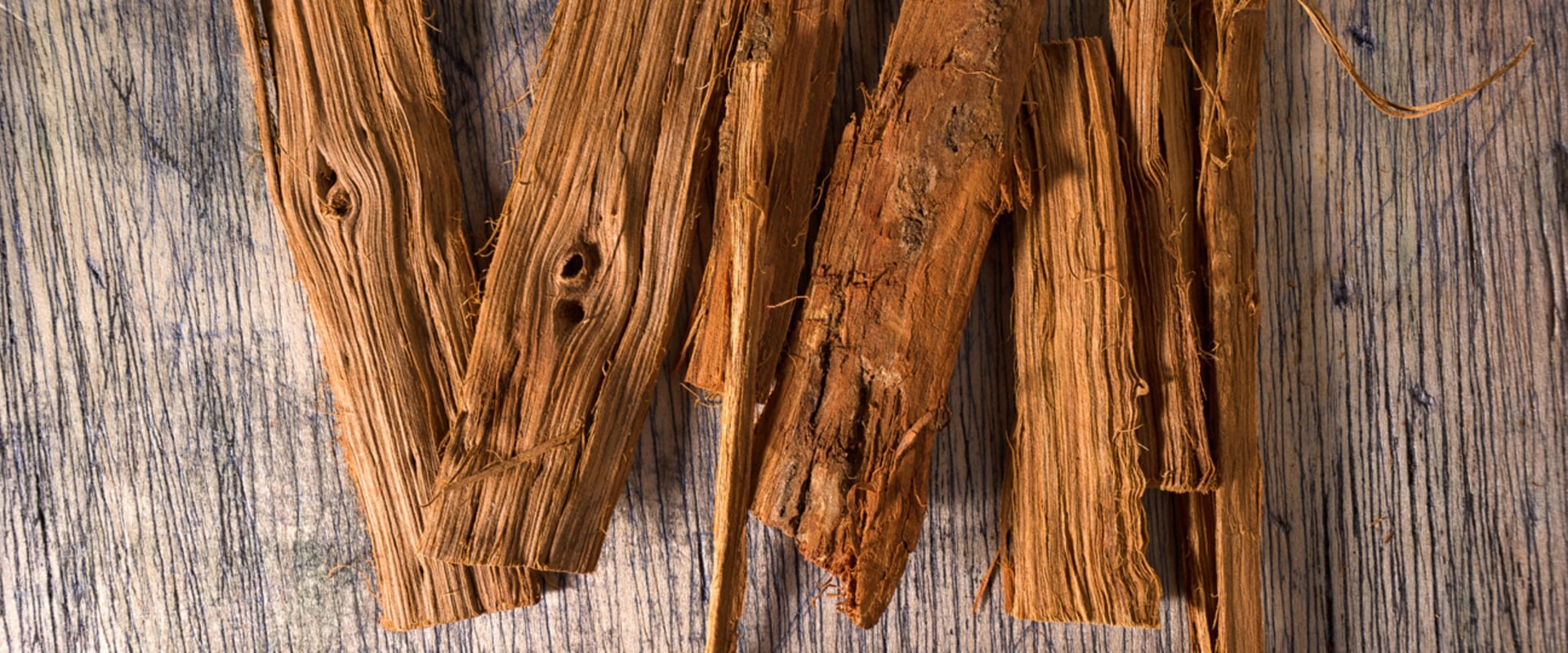
Cat's claw, scientifically known as Uncaria tomentosa, is a remarkable vine that has captured the attention of herbalists and health enthusiasts alike. This potent plant is native to the lush rainforests of South America, particularly in countries like Peru and Brazil, where it has been utilized for centuries by indigenous tribes for its myriad health benefits. The name "cat's claw" derives from the unique shape of its thorns, which resemble the claws of a cat, and it is often referred to as "uña de gato" in Spanish. Understanding the origins of this plant not only highlights its cultural significance but also sets the stage for exploring its extensive medicinal properties. The composition of cat's claw is as fascinating as its history.
The plant contains a variety of bioactive compounds, including alkaloids, glycosides, tannins, and flavonoids. These components work synergistically to provide a range of health benefits, making cat's claw a powerful ally in traditional medicine. Among its key constituents are oxindole alkaloids, which are believed to contribute to its anti-inflammatory and immune-boosting effects. Additionally, the presence of polyphenols adds to its antioxidant properties, helping to combat oxidative stress in the body. As we delve deeper into the world of cat's claw, it becomes evident that this herb is more than just a natural remedy; it embodies a rich tapestry of cultural heritage and scientific intrigue.
The traditional uses of cat's claw by indigenous peoples serve as a testament to its efficacy and importance in holistic health practices. By understanding both its origins and its complex composition, we can better appreciate the profound cat's claw benefits that have been recognized across generations.
The Health Benefits of Cat's Claw
Cat's claw, scientifically known as Uncaria tomentosa, is renowned for its extensive range of health benefits, making it a staple in traditional medicine, particularly in South America. This remarkable herb is celebrated for its potent anti-inflammatory , antioxidant , and immune-boosting properties, which contribute to its effectiveness in treating various health conditions. One of the most significant cat's claw benefits is its ability to reduce inflammation. Chronic inflammation is linked to numerous health issues, including arthritis, heart disease, and even cancer.Studies have shown that cat's claw can inhibit the production of inflammatory markers in the body, providing relief for those suffering from conditions like rheumatoid arthritis and osteoarthritis. By modulating the immune response, cat's claw helps alleviate pain and swelling associated with these inflammatory diseases. In addition to its anti-inflammatory effects, cat's claw is rich in antioxidants. These compounds play a crucial role in neutralizing free radicals—unstable molecules that can cause cellular damage and contribute to aging and chronic diseases. By enhancing the body’s antioxidant capacity, cat's claw may help protect against oxidative stress, thereby promoting overall health and longevity. The immune-boosting properties of cat's claw are another reason for its popularity.
Research indicates that this herb can stimulate the activity of immune cells such as phagocytes and T-cells, which are essential for defending the body against infections and diseases. This immune enhancement can be particularly beneficial for individuals with weakened immune systems or those recovering from illness. Moreover, cat's claw has been traditionally used to support digestive health. Its mild laxative effect can aid in relieving constipation, while its anti-inflammatory properties may help soothe gastrointestinal disorders such as irritable bowel syndrome (IBS) and inflammatory bowel disease (IBD). Furthermore, some studies suggest that cat's claw may have potential benefits in managing certain types of cancer. Preliminary research indicates that it may inhibit tumor growth and enhance the effectiveness of chemotherapy treatments.
However, more extensive clinical trials are necessary to fully understand these effects. In summary, the health advantages of cat's claw are vast and varied. From its ability to combat inflammation and oxidative stress to its role in boosting immunity and supporting digestive health, this powerful herb offers a natural approach to enhancing well-being. As with any herbal remedy, it is advisable to consult with a healthcare professional before incorporating cat's claw into your health regimen.
Anti-Inflammatory Properties of Cat's Claw
Cat's claw, scientifically known as Uncaria tomentosa, has garnered significant attention for its remarkable anti-inflammatory properties. This ancient herbal remedy has been utilized for centuries, particularly in South America, to alleviate various inflammatory conditions, including arthritis.The active compounds found in cat's claw, such as alkaloids and glycosides, play a crucial role in modulating the body's inflammatory response. Research has demonstrated that cat's claw can effectively reduce inflammation by inhibiting the production of pro-inflammatory cytokines. A study published in the Journal of Ethnopharmacology highlighted that extracts from cat's claw significantly decreased levels of tumor necrosis factor-alpha (TNF-α) and interleukin-1 beta (IL-1β), both of which are key players in the inflammatory process. By lowering these cytokines, cat's claw helps to mitigate the symptoms associated with chronic inflammatory diseases.
Cat's Claw and Arthritis Treatment
Arthritis, a condition characterized by joint inflammation and pain, is one of the most common ailments treated with cat's claw. Clinical studies have shown promising results regarding its efficacy in managing arthritis symptoms.For instance, a randomized controlled trial involving patients with osteoarthritis revealed that those who supplemented with cat's claw experienced a notable reduction in pain and improved joint function compared to the placebo group. The anti-inflammatory effects of cat's claw are particularly beneficial for individuals suffering from rheumatoid arthritis (RA). RA is an autoimmune disorder that leads to chronic inflammation of the joints. A study conducted on RA patients indicated that regular consumption of cat's claw extract resulted in decreased joint swelling and tenderness, providing relief from debilitating symptoms. Moreover, the herb's ability to enhance overall immune function may contribute to its effectiveness in treating arthritis. By promoting a balanced immune response, cat's claw helps prevent the overactivity that often exacerbates inflammatory conditions. Incorporating cat's claw into your wellness routine can be a natural approach to managing inflammation and supporting joint health.
However, it is essential to consult with a healthcare professional before starting any new supplement regimen, especially for those on medication or with pre-existing health conditions.
Cat's Claw and Immune System Support
Cat's claw, scientifically known as Uncaria tomentosa, has garnered attention for its remarkable ability to bolster the immune system. This powerful herb is rich in various phytochemicals that play a crucial role in enhancing immune function, making it a popular choice among those seeking natural ways to improve their health. One of the primary ways cat's claw supports the immune system is through its ability to stimulate specific immune cells. Research indicates that compounds found in cat's claw can activate phagocytes , which are essential for engulfing and destroying pathogens. Additionally, it enhances the activity of helper T cells , which are vital for orchestrating the immune response and ensuring that the body effectively combats infections. Moreover, cat's claw contains potent antioxidants that help protect immune cells from oxidative stress.This is particularly important because oxidative stress can weaken the immune system, making the body more susceptible to illnesses. By neutralizing free radicals, cat's claw contributes to maintaining a robust immune defense. Another significant aspect of cat's claw is its anti-inflammatory properties. Chronic inflammation can hinder immune function and lead to various health issues. By reducing inflammation, cat's claw not only supports overall health but also ensures that the immune system operates efficiently. For individuals looking to enhance their immunity naturally, incorporating cat's claw into their regimen can be beneficial.
It can be consumed in various forms, including capsules, teas, or tinctures. However, it is essential to consult with a healthcare professional before starting any new supplement, especially for those with existing health conditions or those taking medications. In summary, the immune system benefits of cat's claw are multifaceted. From stimulating key immune cells to providing antioxidant support and reducing inflammation, this herb stands out as a powerful ally in promoting overall health and resilience against diseases. As more people seek herbal immunity boosters, cat's claw remains a top contender for its proven efficacy and historical use in traditional medicine.
Digestive Health Benefits of Cat's Claw
Cat's claw, known scientifically as Uncaria tomentosa, has garnered attention for its remarkable digestive health benefits.This powerful herb is particularly effective in addressing various gastrointestinal issues, making it a valuable addition to the arsenal of herbal remedies for digestion. One of the most notable uses of cat's claw is in the treatment of gastric ulcers. These painful sores can develop on the lining of the stomach due to factors such as stress, excessive alcohol consumption, or prolonged use of nonsteroidal anti-inflammatory drugs (NSAIDs). Cat's claw contains compounds that exhibit anti-inflammatory properties, which can help soothe the stomach lining and promote healing. By reducing inflammation, cat's claw may alleviate discomfort associated with gastric ulcers and support overall digestive health. In addition to its effects on gastric ulcers, cat's claw has been shown to be beneficial for individuals suffering from intestinal disorders.
Conditions such as irritable bowel syndrome (IBS) and inflammatory bowel disease (IBD) can cause significant distress and discomfort. The anti-inflammatory properties of cat's claw may help reduce symptoms associated with these conditions, such as cramping, bloating, and diarrhea. Furthermore, its ability to enhance gut health can lead to improved nutrient absorption and overall digestive function. Moreover, cat's claw is believed to possess antimicrobial properties, which can be advantageous in combating harmful bacteria in the gastrointestinal tract. By promoting a healthy balance of gut flora, cat's claw may help prevent infections and support a robust immune system.
This is particularly important as a healthy gut microbiome plays a crucial role in digestion and overall well-being. For those seeking natural solutions for digestive issues, incorporating cat's claw into their regimen may provide significant relief. However, it is essential to consult with a healthcare professional before starting any new herbal supplement, especially for individuals with pre-existing conditions or those taking medications. In summary, the digestive health benefits of cat's claw are multifaceted. From aiding in the healing of gastric ulcers to alleviating symptoms of intestinal disorders and promoting gut health, this herb stands out as a potent ally in supporting digestive wellness.
Potential Risks and Side Effects of Cat's Claw
While the benefits of cat's claw are well-documented, it is equally important to consider the potential risks and side effects associated with its use. Understanding these factors can help individuals make informed decisions about incorporating this herbal remedy into their health regimen. One of the primary concerns regarding cat's claw is its interaction with certain medications.For instance, individuals taking blood pressure medications should exercise caution, as cat's claw may lower blood pressure further, leading to hypotension. Similarly, when combined with anticoagulants or antiplatelet drugs, there is an increased risk of bleeding due to cat's claw's potential to slow blood clotting.
Common Side Effects
Some users of cat's claw have reported experiencing mild side effects, which may include:- Nausea
- Diarrhea
- Headaches
- Dizziness
- Stomach cramps
Serious Risks
In rare cases, more severe reactions have been reported. These include:- Acute renal failure : Some individuals have experienced kidney issues after using cat's claw, particularly when taken in high doses or combined with other nephrotoxic substances.
- Serotonin syndrome : This potentially life-threatening condition can occur if cat's claw is taken alongside other supplements or medications that increase serotonin levels.
Safety Precautions
To ensure safe usage of cat's claw, consider the following precautions:- Consult a healthcare professional: Before adding cat's claw to your regimen, especially if you are pregnant, nursing, or have underlying health conditions.
- Avoid during surgery: It is recommended to stop using cat's claw at least two weeks prior to any surgical procedure due to its blood-thinning properties.
- Monitor for side effects: Keep track of any adverse reactions and report them to your healthcare provider.
By being aware of potential side effects and taking necessary precautions, individuals can safely enjoy the healing properties of this remarkable herb.
How to Use Cat's Claw Safely and Effectively
Using cat's claw safely and effectively requires an understanding of its various forms, appropriate dosages, and potential interactions with other medications. This powerful herb can be a valuable addition to your health regimen when used correctly.Forms of Cat's Claw Supplements
Cat's claw is available in several forms, each offering unique benefits:- Capsules and Tablets: These are the most common forms and provide a convenient way to consume cat's claw. They typically contain powdered bark or extracts.
- Tinctures: Liquid extracts made by soaking the herb in alcohol or vinegar. Tinctures are easily absorbed and allow for flexible dosing.
- Teas: Dried cat's claw bark can be steeped in hot water to make a herbal tea.
This method is traditional and allows for a soothing experience.
- Powder: The powdered form can be added to smoothies or other foods, making it versatile for those who prefer not to take pills.
Dosage Recommendations
The appropriate dosage of cat's claw can vary based on the form used and individual health conditions. Here are some general guidelines:- Capsules/Tablets: A typical dosage ranges from 250 mg to 500 mg taken one to three times daily.
- Tinctures: Usually, 1 to 2 ml taken two to three times daily is recommended, but always check the concentration of the tincture.
- Teas: Steep 1 to 2 teaspoons of dried bark in hot water for about 10-15 minutes. Drink up to three cups daily.
- Powder: Start with 1 teaspoon mixed into food or drinks once daily, adjusting as needed.
Safety Considerations
While cat's claw is generally considered safe for most people, there are some precautions to keep in mind:- Avoid using cat's claw if you are scheduled for surgery or have bleeding disorders due to its potential blood-thinning effects.
- If you are on immunosuppressive medications, consult your doctor before using cat's claw as it may stimulate immune function.
- Monitor for any adverse reactions such as gastrointestinal upset or allergic reactions, especially when starting out.
Always prioritize safety and consult with healthcare professionals when integrating new supplements into your routine.
Cat's Claw in Traditional Medicine: Cultural Perspectives
Throughout history, cat's claw has held a significant place in the traditional medicine practices of various cultures, particularly among indigenous peoples of South America. This remarkable vine, known scientifically as Uncaria tomentosa, has been utilized for centuries due to its diverse therapeutic properties. In the Amazon rainforest, the Ashaninka and other indigenous tribes have revered cat's claw not only for its medicinal benefits but also for its spiritual significance. They believe that this plant possesses life-giving properties, often referring to it as a "sacred vine." The inner bark and roots are typically harvested and prepared in various forms, such as teas or tinctures, to treat ailments ranging from inflammation to digestive issues. The traditional uses of cat's claw extend beyond mere physical health. Many cultures incorporate it into their rituals and healing ceremonies, viewing it as a bridge between the physical and spiritual realms.For instance, shamans may use cat's claw during healing sessions to enhance their connection with the spirit world, believing that it helps to cleanse negative energies and promote overall well-being. In addition to its cultural significance, the historical context of cat's claw in herbal medicine is rich and varied. The plant has been documented in various ethnobotanical studies, highlighting its role in treating conditions such as arthritis, ulcers, and even certain cancers. The knowledge of these uses has been passed down through generations, showcasing the deep-rooted understanding of herbal remedies within these communities. Moreover, as interest in natural remedies has surged globally, cat's claw has gained recognition beyond its native regions. Modern herbalists and practitioners are increasingly incorporating this powerful plant into their practices, often emphasizing its anti-inflammatory and immune-boosting properties.
This resurgence reflects a broader trend towards holistic health approaches that honor traditional wisdom while integrating contemporary scientific research. In conclusion, the cultural perspectives surrounding cat's claw reveal a profound respect for nature and its healing capabilities. As we continue to explore the benefits of this remarkable plant, it is essential to acknowledge and honor the traditions that have preserved its use throughout history.
Scientific Research on Cat's Claw: What Studies Say
Scientific research on cat's claw has been steadily increasing, providing valuable insights into its potential health benefits. Numerous studies have explored the efficacy of this herb, particularly in relation to its anti-inflammatory and immune-boosting properties. One notable study published in the Journal of Ethnopharmacology examined the effects of cat's claw on inflammation. Researchers found that extracts from the plant significantly reduced markers of inflammation in animal models.This suggests that cat's claw may be effective in managing conditions characterized by chronic inflammation, such as arthritis and other autoimmune disorders. Another important area of research focuses on the immune-modulating effects of cat's claw. A study conducted by scientists at the University of Maryland demonstrated that cat's claw extract could enhance the activity of immune cells, specifically phagocytes and T-cells. These cells play a crucial role in defending the body against infections and diseases, indicating that cat's claw may support overall immune function. In addition to its anti-inflammatory and immune-boosting properties, cat's claw has also been investigated for its potential effects on gastrointestinal health. Research published in the Journal of Medicinal Food highlighted that cat's claw may help protect against gastric ulcers by promoting mucosal healing and reducing oxidative stress in the stomach lining. Furthermore, a clinical trial involving patients with osteoarthritis found that those who took cat's claw experienced a significant reduction in pain and improvement in joint function compared to a placebo group.
This study underscores the potential of cat's claw as a natural alternative for managing joint pain. While these findings are promising, it is essential to approach them with caution. Many studies have been conducted on animal models or in vitro, and further research is needed to confirm these benefits in humans. Additionally, variations in preparation methods and dosages can influence the outcomes of studies. In conclusion, scientific research supports several cat's claw benefits, particularly regarding its anti-inflammatory, immune-enhancing, and gastrointestinal protective properties. As more studies emerge, they will continue to shed light on how this ancient herb can be integrated into modern health practices.
<strong>Conclusion</strong>: The Comprehensive Benefits of Cat’s Claw
In conclusion, the myriad benefits of cat's claw make it a remarkable addition to the realm of herbal medicine.This powerful plant, with its rich history rooted in traditional South American healing practices, offers a wide array of therapeutic properties that can enhance overall health and well-being. Throughout this article, we have explored the various ways in which cat's claw can positively impact health:
- Anti-inflammatory Properties: Cat's claw is renowned for its ability to reduce inflammation, making it an effective treatment for conditions such as arthritis and other inflammatory disorders.
- Immune System Support: The plant's compounds stimulate immune function, enhancing the body's ability to fend off infections and diseases.
- Antioxidant Effects: With its high antioxidant content, cat's claw helps combat oxidative stress, which is linked to numerous chronic diseases.
- Cognitive Benefits: Emerging research suggests that cat's claw may improve cognitive function, particularly in aging populations.
- Digestive Health: Its use in treating gastric ulcers and intestinal disorders highlights its role in promoting digestive wellness.