The Versatile Power of Cat's Claw: Unlocking Its Benefits for Health and Wellness
Discover the versatile health benefits of cat's claw, from anti-inflammatory properties to immune support and more.
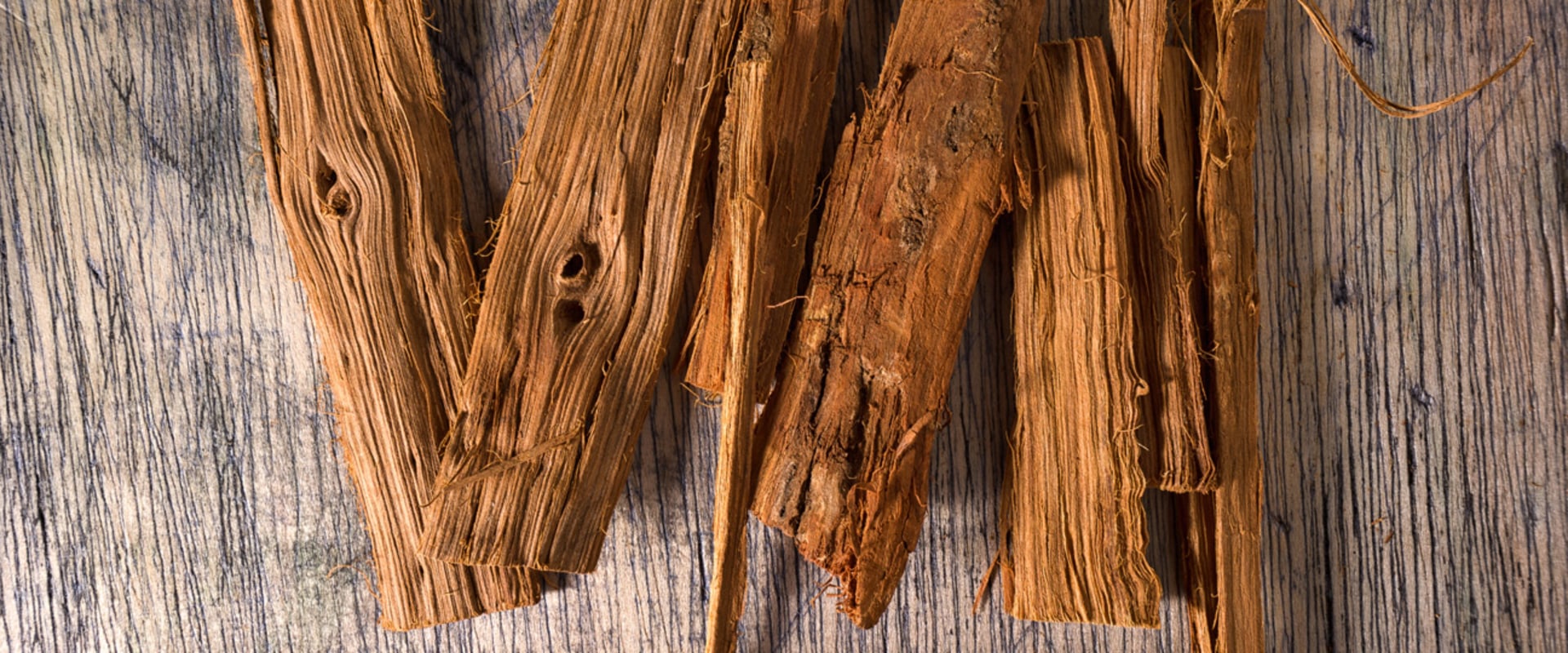
Cat's claw, scientifically known as Uncaria tomentosa, is a remarkable herb that has captured the attention of herbalists and health enthusiasts alike. Native to the lush rainforests of the Amazon, this climbing vine has been utilized for centuries by indigenous tribes for its potent healing properties. The name "cat's claw" derives from the plant's distinctive thorns, which resemble the claws of a cat. This unique appearance is just one of the many fascinating aspects of this versatile herb. In the realm of herbal medicine , cat's claw holds a significant place due to its diverse range of health benefits.
Traditionally, it has been employed to address various ailments, from inflammatory conditions to digestive issues. The active compounds found in cat's claw, including alkaloids and glycosides, are believed to contribute to its therapeutic effects. These natural constituents work synergistically to promote overall wellness, making cat's claw a valuable addition to any health regimen. As we delve deeper into the myriad cat's claw benefits , it becomes evident that this herb is more than just a folk remedy; it is a powerful ally in modern health practices. From its anti-inflammatory properties to its potential role in supporting immune function, cat's claw offers a holistic approach to health that resonates with those seeking natural alternatives.
Understanding what cat's claw is and how it can enhance well-being sets the stage for exploring its extensive benefits in greater detail.
Understanding Cat's Claw: The Science Behind the Herb
Cat's claw, scientifically known as Uncaria tomentosa, is a climbing vine native to the Amazon rainforest and other tropical areas of Central and South America. Its remarkable health benefits can be attributed to its unique chemical composition, which includes a variety of active compounds that work synergistically to promote wellness. One of the primary active compounds found in cat's claw is alkaloids. These nitrogen-containing compounds are known for their ability to modulate the immune system. The two most studied alkaloids in cat's claw are rhynchophylline and isopteropodine.Research suggests that these alkaloids may help enhance immune function by stimulating the production of white blood cells, which play a crucial role in defending the body against pathogens. In addition to alkaloids, cat's claw is rich in glycosides , particularly cat's claw glycoside. Glycosides are compounds that can have various biological effects, including anti-inflammatory properties. This is particularly beneficial for individuals suffering from chronic inflammatory conditions, as it may help alleviate symptoms and improve overall quality of life. The herb also contains a variety of polyphenols , which are powerful antioxidants. These compounds help combat oxidative stress in the body by neutralizing free radicals, thereby reducing cellular damage.
The antioxidant properties of cat's claw can contribute to its potential role in preventing chronic diseases such as heart disease and cancer. Another significant component is tannins , which are known for their astringent properties. Tannins can help soothe gastrointestinal issues by reducing inflammation in the digestive tract and promoting gut health. This makes cat's claw a valuable ally for those dealing with digestive disorders. The way cat's claw works in the body is multifaceted. Its active compounds interact with various biological pathways, enhancing immune response, reducing inflammation, and providing antioxidant protection.
This holistic approach not only addresses specific ailments but also promotes overall health and well-being. In summary, the diverse array of active compounds found in cat's claw—ranging from alkaloids and glycosides to polyphenols and tannins—contributes significantly to its health benefits. Understanding these components allows us to appreciate the herb's versatility and effectiveness as a natural remedy.
Anti-Inflammatory Benefits of Cat's Claw
Cat's claw, scientifically known as Uncaria tomentosa, has garnered significant attention for its remarkable anti-inflammatory properties. Inflammation is a natural response of the body to injury or infection, but chronic inflammation can lead to various health issues, including autoimmune diseases, arthritis, and even heart disease. The ability of cat's claw to modulate this inflammatory response makes it a valuable herbal remedy. One of the primary mechanisms through which cat's claw exerts its anti-inflammatory effects is by inhibiting the production of pro-inflammatory cytokines.These are signaling molecules that play a crucial role in the inflammatory process. By reducing their levels, cat's claw helps to alleviate symptoms associated with inflammation. Research has indicated that cat's claw may be particularly beneficial for individuals suffering from:
- Rheumatoid Arthritis: This autoimmune condition is characterized by chronic inflammation of the joints. Studies have shown that cat's claw can help reduce joint pain and swelling, improving overall mobility.
- Osteoarthritis: Similar to rheumatoid arthritis, osteoarthritis involves the degradation of joint cartilage. Cat's claw may help manage pain and inflammation associated with this degenerative condition.
- Gastrointestinal Disorders: Conditions such as inflammatory bowel disease (IBD) can cause significant inflammation in the digestive tract.
Cat's claw has been found to support gut health by reducing inflammation and promoting healing.
- Skin Conditions: Inflammatory skin disorders like psoriasis and eczema may also benefit from cat's claw. Its topical application can help soothe irritated skin and reduce redness.
Its ability to modulate inflammatory responses positions it as a promising option among herbal remedies for inflammation.
Cat's Claw and Immune System Support
Cat's claw, scientifically known as Uncaria tomentosa, has garnered attention for its potential to enhance the immune system. This remarkable herb, native to the Amazon rainforest, is rich in various phytochemicals that may play a crucial role in supporting immune function. Understanding how cat's claw can boost the immune system is essential for those seeking natural ways to improve their health. One of the primary ways cat's claw contributes to immune health is through its ability to stimulate the production of white blood cells. These cells are vital for fighting off infections and diseases.A study published in the journal Phytotherapy Research indicated that cat's claw extract significantly increased the activity of immune cells, particularly lymphocytes and macrophages, which are essential for identifying and eliminating pathogens. Moreover, cat's claw possesses potent antioxidant properties. Antioxidants help neutralize free radicals in the body, which can cause oxidative stress and weaken the immune system. By reducing oxidative damage, cat's claw may enhance overall immune resilience. This is particularly important in today's world, where environmental toxins and stressors can compromise our health. In addition to its direct effects on immune cells, cat's claw has been shown to have anti-inflammatory properties.
Chronic inflammation can hinder immune function and lead to various health issues. By modulating inflammatory responses, cat's claw may help maintain a balanced immune system, allowing it to respond effectively to threats. Several studies have explored the potential of cat's claw in preventing infections. For instance, research has suggested that this herb may be effective against certain viral infections. A study published in Journal of Ethnopharmacology found that cat's claw extract exhibited antiviral activity against herpes simplex virus (HSV), indicating its potential as a natural remedy for viral infections. For those looking to incorporate cat's claw into their wellness routine, it is available in various forms, including capsules, tinctures, and teas.
However, it is essential to consult with a healthcare professional before starting any new supplement regimen, especially for individuals with existing health conditions or those taking medications. In conclusion, the immune benefits of cat's claw are supported by scientific research and traditional use. Its ability to boost white blood cell production, provide antioxidant support, and reduce inflammation makes it a valuable addition to any herbal arsenal aimed at enhancing overall health and immunity.
Digestive Health: The Detoxifying Effects of Cat's Claw
When it comes to maintaining optimal digestive health , few herbs can match the remarkable properties of cat's claw. This powerful plant, known scientifically as Uncaria tomentosa, has been utilized for centuries in traditional medicine, particularly for its ability to detoxify the body and promote a healthy gut environment. One of the primary ways cat's claw supports digestive health is through its detoxifying effects. The herb contains a variety of phytochemicals, including alkaloids and glycosides, which have been shown to help flush out harmful toxins from the intestines.By cleansing the digestive tract, cat's claw not only aids in the elimination of waste but also helps to create a more favorable environment for beneficial gut bacteria to thrive. Maintaining a balanced gut microbiome is crucial for overall health. A healthy gut flora can enhance nutrient absorption, boost the immune system, and even improve mental well-being. Cat's claw plays a significant role in this process by:
- Promoting Beneficial Bacteria: The detoxifying properties of cat's claw help to reduce harmful bacteria and pathogens in the gut, allowing beneficial strains to flourish. This balance is essential for effective digestion and nutrient absorption.
- Reducing Inflammation: Chronic inflammation in the digestive tract can lead to various gastrointestinal issues, including irritable bowel syndrome (IBS) and inflammatory bowel disease (IBD).
Cat's claw has anti-inflammatory properties that can help soothe the intestinal lining and reduce discomfort.
- Enhancing Digestive Function: By supporting a healthy gut environment, cat's claw may improve overall digestive function. This includes better breakdown of food and more efficient absorption of nutrients, which are vital for maintaining energy levels and overall health.
Cat's Claw in Cancer Research: Promising Findings
Research into the potential anti-cancer properties of cat's claw has garnered significant attention in recent years, particularly as more individuals seek herbal cancer treatments as complementary options to conventional therapies.The active compounds found in cat's claw, particularly oxindole alkaloids , have been the focus of various studies aimed at understanding their effects on cancer cell proliferation and survival. One notable study published in the journal Phytotherapy Research demonstrated that extracts of cat's claw could inhibit the growth of human bladder cancer cells. The researchers found that specific alkaloids present in the herb were effective in inducing apoptosis, or programmed cell death, in these cancer cells. This mechanism is crucial because it helps to eliminate damaged cells that could otherwise proliferate uncontrollably. Another significant area of research involves the effects of cat's claw on glioblastoma, a particularly aggressive form of brain cancer. In laboratory settings, cat's claw extracts have shown promise in reducing the viability of glioblastoma cells.
The findings suggest that these extracts may interfere with the signaling pathways that promote tumor growth and survival, making them a potential adjunct to existing treatment protocols. Furthermore, a study conducted on breast cancer cells indicated that cat's claw could enhance the efficacy of certain chemotherapy drugs. By combining cat's claw with traditional treatments, researchers observed a synergistic effect that not only improved the overall effectiveness of the chemotherapy but also reduced its side effects. This finding is particularly encouraging for patients who often struggle with the harsh impacts of conventional cancer therapies. While these studies are promising, it is essential to approach the use of cat's claw with caution. Most research has been conducted in vitro (in laboratory settings) or in animal models, and further clinical trials are necessary to establish its safety and efficacy in humans.
Patients considering cat's claw as part of their treatment regimen should consult with healthcare professionals to ensure it complements their overall treatment plan without interfering with prescribed medications. In summary, the potential cancer benefits of cat's claw are supported by emerging research that highlights its ability to inhibit cancer cell growth and enhance traditional therapies. As interest in natural remedies continues to rise, cat's claw stands out as a herb worth exploring for its possible role in cancer care.
Managing Chronic Conditions with Cat's Claw
Chronic conditions such as rheumatoid arthritis and other inflammatory diseases can significantly impact an individual's quality of life. Many patients seek alternative therapies to manage their symptoms, and cat's claw has emerged as a promising herbal remedy. This powerful plant, known scientifically as Uncaria tomentosa, has been studied for its potential benefits in alleviating chronic pain and inflammation. Research indicates that cat's claw may help reduce the severity of symptoms associated with rheumatoid arthritis.In a double-blind, placebo-controlled trial, participants who received cat's claw extract reported a noticeable decrease in joint pain and swelling compared to those who received a placebo. The anti-inflammatory properties of cat's claw are attributed to its rich content of alkaloids and glycosides, which work to inhibit the production of pro-inflammatory cytokines in the body. Moreover, patients suffering from chronic pain conditions have also found relief through the use of cat's claw. Anecdotal evidence suggests that regular supplementation can lead to improved mobility and reduced discomfort. Many users report that incorporating cat's claw into their daily regimen has allowed them to engage in activities they once found challenging due to pain. In addition to its anti-inflammatory effects, cat's claw is believed to support overall joint health.
By promoting circulation and reducing oxidative stress, this herb may help maintain the integrity of joint tissues, potentially slowing the progression of degenerative conditions. While the clinical evidence supporting cat's claw is promising, it is essential for individuals considering this herbal remedy to consult with healthcare professionals. This is particularly important for those already taking medications for chronic conditions, as interactions may occur. Furthermore, ongoing research aims to better understand the full range of benefits and any potential side effects associated with long-term use. In summary, cat's claw presents a natural option for managing chronic conditions like rheumatoid arthritis and other inflammatory diseases. With its ability to alleviate pain and inflammation, it offers hope for those seeking alternative or complementary therapies in their health journey.
Mental Health Benefits: Cat's Claw and Mood Regulation
In recent years, there has been a growing interest in the role of herbal remedies in supporting mental health.Among these, cat's claw (Uncaria tomentosa) has emerged as a noteworthy contender, particularly for its potential to enhance mood and alleviate symptoms of anxiety and depression. This ancient herb, traditionally used in South American medicine, is gaining recognition for its ability to influence serotonin levels in the body. Serotonin is a neurotransmitter that plays a crucial role in regulating mood, sleep, and appetite. Low levels of serotonin are often associated with mood disorders such as depression and anxiety. Research suggests that cat's claw may help to increase serotonin levels, thereby promoting a more balanced emotional state.
By enhancing serotonin production or availability, cat's claw could potentially serve as a natural adjunct to conventional treatments for mood disorders. One of the key mechanisms through which cat's claw exerts its effects is by modulating the body's inflammatory response. Chronic inflammation has been linked to various mental health issues, including depression. The anti-inflammatory properties of cat's claw may help reduce this inflammation, creating a more favorable environment for serotonin production and function. Moreover, the herb contains several phytochemicals that may contribute to its mood-enhancing effects. These compounds can interact with neurotransmitter systems in the brain, potentially leading to improved emotional well-being.
While more research is needed to fully understand these interactions, preliminary studies indicate that cat's claw could be beneficial for those seeking natural alternatives for anxiety relief. Incorporating cat's claw into your wellness routine can be done through various forms such as capsules, teas, or tinctures. However, it is essential to consult with a healthcare professional before starting any new supplement regimen, especially if you are currently taking medications for mental health conditions. In summary, the potential mental health benefits of cat's claw are promising. By boosting serotonin levels and reducing inflammation, this versatile herb may offer a natural approach to enhancing mood and alleviating anxiety. As research continues to unfold, cat's claw could become an integral part of holistic strategies aimed at improving mental health.
Potential Risks and Considerations When Using Cat's Claw
While the benefits of cat's claw are well-documented, it is equally important to consider the potential risks and side effects associated with its use.Understanding these factors can help individuals make informed decisions about incorporating this herb into their health regimen.
Possible Side Effects
- Gastrointestinal Issues: Some users may experience digestive discomfort, including nausea, diarrhea, or stomach cramps. These symptoms are often mild but can be bothersome for some individuals.
- Allergic Reactions: Although rare, allergic reactions to cat's claw can occur. Symptoms may include rash, itching, or swelling. If any of these symptoms arise after taking cat's claw, it is advisable to discontinue use and consult a healthcare professional.
- Headaches: A few users have reported experiencing headaches after consuming cat's claw.
This could be due to its effects on blood circulation or other underlying factors.
Interactions with Medications
Cat's claw may interact with certain medications, which can lead to adverse effects or reduced efficacy of treatments. It is crucial to consult with a healthcare provider before starting cat's claw, especially if you are taking:
- Anticoagulants: Cat's claw may enhance the effects of blood-thinning medications, increasing the risk of bleeding.
- Immunosuppressants: Since cat's claw can stimulate the immune system, it may counteract the effects of medications designed to suppress immune function.
- Antidepressants: The herb’s potential to increase serotonin levels could lead to serotonin syndrome when combined with other serotonergic drugs.
Precautions When Using Herbal Supplements
When considering herbal supplements like cat's claw, it is essential to take certain precautions:
- Consult a Healthcare Professional: Always discuss with a doctor or qualified herbalist before starting any new supplement, particularly if you have pre-existing health conditions or are pregnant or breastfeeding.
- Start with Low Doses: If you decide to try cat's claw, begin with a lower dose to assess your body's response before gradually increasing it.
- Avoid Long-Term Use: Prolonged use of cat's claw should be approached with caution. Regular breaks from supplementation can help mitigate potential side effects.
<strong>Conclusion</strong>: The Multifaceted Benefits of Cat's Claw for Health and Wellness
In summary, the exploration of cat's claw benefits reveals a remarkable herb that has been cherished for centuries for its diverse therapeutic properties.From its origins in the Amazon rainforest to its modern applications in health and wellness, cat's claw stands out as a versatile ally in promoting overall well-being. Throughout this article, we have delved into various aspects of cat's claw, highlighting its:
- Anti-inflammatory properties: These compounds make it an excellent choice for individuals suffering from chronic pain and inflammatory conditions.
- Antiviral effects: Research suggests that cat's claw may help combat certain viral infections, providing a natural alternative to conventional treatments.
- Detoxification capabilities: By cleansing the intestinal tract, cat's claw supports digestive health and enhances nutrient absorption.
- Potential anti-cancer properties: Preliminary studies indicate that it may inhibit the growth of specific cancer cells, offering hope for those seeking complementary therapies.
- Support for mental health: By boosting serotonin levels, cat's claw may alleviate symptoms of anxiety and depression, contributing to improved mood and emotional balance.
- Benefits for autoimmune conditions: Its ability to modulate immune responses can be particularly beneficial for individuals with rheumatoid arthritis and other autoimmune disorders.