The Power of Cat's Claw: A Comprehensive Guide to Its Anti-Inflammatory Effects and Health Benefits
Discover the powerful anti-inflammatory effects and health benefits of cat's claw, a natural remedy with a rich history in traditional medicine.
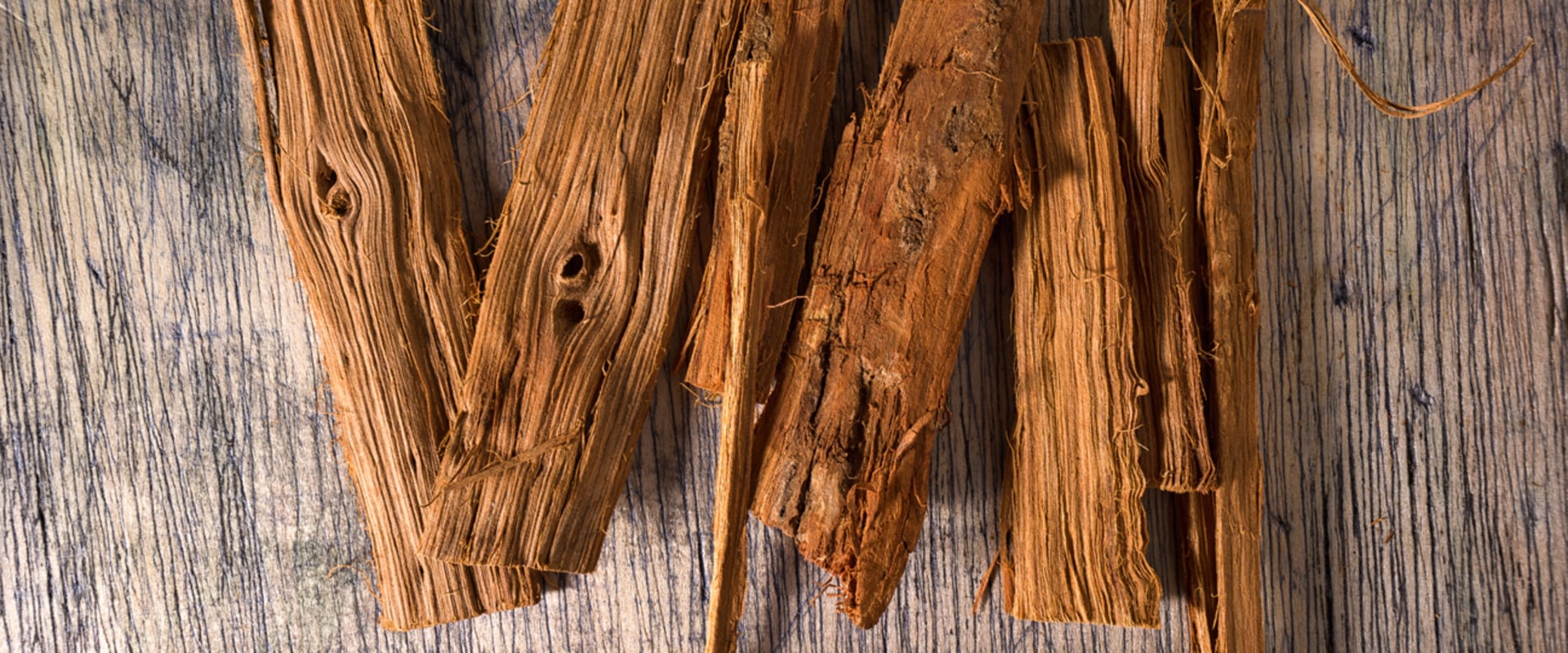
Cat's claw, scientifically known as Uncaria tomentosa, is a remarkable vine native to the lush rainforests of the Amazon River basin. This plant has been revered for centuries in traditional South American medicine, where indigenous tribes have utilized its bark and roots for their potent healing properties. The name "cat's claw" derives from the distinctive curved thorns that resemble a cat's claws, which serve as a reminder of the plant's resilience and strength. As interest in natural remedies continues to grow, the benefits of cat's claw have gained significant attention, particularly for its anti-inflammatory effects. Historically, cat's claw has been employed to treat a variety of ailments, ranging from digestive issues to inflammatory conditions.
Its use in traditional medicine highlights the deep-rooted knowledge of indigenous cultures regarding the healing potential of local flora. The active compounds found in cat's claw, such as alkaloids and glycosides, are believed to contribute to its therapeutic effects. These compounds work synergistically to support the body’s natural healing processes, making cat's claw a valuable addition to holistic health practices. As we delve deeper into the cat's claw benefits, it becomes evident that this powerful herb offers more than just anti-inflammatory properties. Research suggests that it may also play a role in enhancing immune function, alleviating symptoms of arthritis, and even supporting mental health by potentially increasing serotonin levels.
This comprehensive guide aims to explore these various aspects of cat's claw, shedding light on its traditional uses and modern applications in promoting overall well-being.
Understanding Cat's Claw: The Plant and Its Components
Cat's claw, scientifically known as Uncaria tomentosa, is a perennial vine native to the Amazon rainforest and other tropical areas of Central and South America. This remarkable plant has been utilized for centuries in traditional medicine, particularly by indigenous tribes, who recognized its potential health benefits long before modern science began to explore its properties. The plant is characterized by its long, woody vines that can reach lengths of up to 30 meters (about 100 feet). The name "cat's claw" derives from the curved thorns that resemble a cat's claws, which help the vine climb trees and other structures in its natural habitat. The parts of the plant that are most commonly used for medicinal purposes include the inner bark and the root.These components are rich in various bioactive compounds that contribute to the plant's therapeutic effects.
Active Ingredients in Cat's Claw
One of the key aspects of cat's claw is its diverse array of active ingredients, which include:- Alkaloids: Cat's claw contains several alkaloids, such as rhynchophylline and mitraphylline, which are believed to have anti-inflammatory and immune-modulating properties.
- Glycosides: These compounds, including quinovic acid glycoside, are thought to contribute to the plant's ability to inhibit tumor growth and support overall health.
- Flavonoids: Known for their antioxidant properties, flavonoids in cat's claw help combat oxidative stress and may protect cells from damage.
- Tannins: These compounds possess astringent properties and may aid in digestive health by promoting gut integrity.
The Anti-Inflammatory Properties of Cat's Claw
Cat's claw, scientifically known as Uncaria tomentosa, has garnered significant attention for its remarkable anti-inflammatory effects.This natural remedy, derived from a vine native to the Amazon rainforest, has been utilized in traditional medicine for centuries, particularly for its ability to alleviate various inflammatory conditions. Research has shown that cat's claw contains several active compounds, including alkaloids and glycosides, which contribute to its anti-inflammatory properties. One of the primary mechanisms through which cat's claw exerts its effects is by inhibiting the production of pro-inflammatory cytokines. These cytokines are signaling molecules that play a crucial role in the inflammatory response. By reducing their levels, cat's claw can help mitigate inflammation and provide relief from symptoms associated with conditions such as arthritis and inflammatory bowel disease. In a study conducted on rats, cat's claw demonstrated a significant reduction in inflammation caused by indomethacin, a common non-steroidal anti-inflammatory drug (NSAID).
The results indicated a marked decrease in myeloperoxidase activity, which is an enzyme associated with inflammation. Additionally, the study revealed improvements in morphometric damage and hepatic metallothionein expression, further supporting the anti-inflammatory potential of this herb. Another fascinating aspect of cat's claw is its ability to modulate the immune system. By enhancing the body's natural defenses, it can help reduce chronic inflammation that often arises from autoimmune disorders. This dual action—both as an anti-inflammatory agent and an immune modulator—makes cat's claw a valuable ally for those suffering from persistent inflammatory conditions. Moreover, cat's claw has been linked to improvements in skin conditions characterized by inflammation, such as psoriasis and eczema.
Its topical application can soothe irritated skin and promote healing by reducing redness and swelling. In summary, the anti-inflammatory effects of cat's claw are supported by scientific studies that highlight its ability to inhibit pro-inflammatory cytokines and modulate immune responses. Whether used internally or externally, this powerful herb offers a natural alternative for managing inflammation and improving overall health.
Health Benefits of Cat's Claw Beyond Inflammation
While the anti-inflammatory properties of cat's claw are well-documented, its health benefits extend far beyond just reducing inflammation. This remarkable herb has been studied for its potential in various areas, including immune support, cancer treatment, and the management of chronic conditions such as arthritis and irritable bowel syndrome (IBS).Immune System Modulation
One of the most intriguing aspects of cat's claw is its ability to modulate the immune system. Research suggests that the active compounds in cat's claw can enhance immune function by stimulating the production of white blood cells, which play a crucial role in defending the body against infections and diseases.This immune-boosting effect may be particularly beneficial for individuals with weakened immune systems or those recovering from illness.
Potential Anti-Cancer Properties
In addition to its immune-supporting capabilities, cat's claw has garnered attention for its potential anti-cancer properties. Some studies have indicated that certain compounds found in cat's claw, such as quinovic acid, may inhibit the growth of cancer cells. For instance, laboratory research has shown that these compounds can induce apoptosis, or programmed cell death, in various cancer cell lines, including those associated with breast and bladder cancers. While more clinical research is needed to fully understand these effects, the preliminary findings are promising and suggest that cat's claw could serve as a complementary treatment alongside conventional cancer therapies.Management of Chronic Conditions
Cat's claw may also offer relief for individuals suffering from chronic conditions like arthritis and IBS.The anti-inflammatory properties of this herb can help alleviate joint pain and swelling associated with arthritis, making it a popular natural remedy among those seeking alternatives to traditional pain relief medications. Furthermore, its ability to soothe inflammation in the gastrointestinal tract may provide relief for those with IBS, helping to reduce symptoms such as bloating, cramping, and irregular bowel movements. In summary, the health benefits of cat's claw extend well beyond its anti-inflammatory effects. With its potential to support immune function, combat cancer cell growth, and manage chronic conditions like arthritis and IBS, this powerful herb deserves further exploration as a natural remedy for various health issues. As always, it is advisable to consult with a healthcare professional before adding any new supplement to your regimen.
Scientific Research on Cat's Claw: What Studies Show
Research into the benefits of cat's claw has been growing, with various studies exploring its potential therapeutic effects.This section highlights some of the most significant scientific investigations that have contributed to our understanding of this herbal remedy.
Anti-Inflammatory Properties
One of the most compelling areas of research focuses on the anti-inflammatory effects of cat's claw. A study published in the journal Phytotherapy Research examined the impact of cat's claw extract on inflammation in animal models. The results indicated a marked reduction in inflammatory markers, suggesting that cat's claw may be effective in managing conditions characterized by chronic inflammation, such as arthritis and inflammatory bowel disease.Immune System Modulation
Another important aspect of cat's claw research is its potential role in modulating the immune system. A clinical trial conducted by researchers at the University of Maryland explored how cat's claw could enhance immune function in patients with chronic fatigue syndrome.Participants who took cat's claw supplements showed improved immune responses compared to those who received a placebo, indicating that this herb may help bolster the body's defenses against infections.
Cancer Research
Studies have also investigated the potential anti-cancer properties of cat's claw. In vitro studies have demonstrated that certain compounds found in cat's claw, such as quinovic acid, can inhibit the growth of various cancer cell lines, including breast and bladder cancer cells. These findings were published in reputable journals like Cancer Letters, highlighting the need for further research into how cat's claw might serve as a complementary treatment alongside conventional therapies.Clinical Trials and Safety
While many studies support the benefits of cat's claw, it is essential to consider safety and dosage. Clinical trials have generally reported that cat's claw is well-tolerated by most individuals, with few adverse effects noted.However, more extensive studies are needed to establish optimal dosages and long-term safety profiles. In summary, scientific research on cat's claw has provided valuable insights into its potential health benefits, particularly regarding its anti-inflammatory and immune-modulating properties. As interest in natural remedies continues to grow, ongoing studies will be crucial in validating these claims and understanding how best to utilize this powerful herb.
How to Use Cat's Claw: Dosage and Forms
When considering the incorporation of cat's claw into your health regimen, understanding the various forms available and their recommended dosages is essential for maximizing its benefits. Cat's claw can be found in several formats, each offering unique advantages depending on your preferences and health goals.Forms of Cat's Claw Supplements
- Capsules: One of the most popular forms, capsules provide a convenient way to consume cat's claw. They typically contain powdered bark or extract, making it easy to measure dosages accurately.
- Tinctures: These liquid extracts are made by soaking cat's claw in alcohol or vinegar, which extracts its active compounds.
Tinctures are often more potent than capsules and allow for flexible dosing.
- Teas: Cat's claw can also be brewed as a tea. This method is not only soothing but also allows for the enjoyment of its natural flavors. However, the concentration of active ingredients may vary compared to other forms.
- Powder: Available as a loose powder, this form can be added to smoothies or other beverages. It offers versatility but requires careful measurement to ensure proper dosing.
Recommended Dosages
The appropriate dosage of cat's claw can vary based on individual health needs and the specific form used.Here are some general guidelines:
- Capsules: A common dosage ranges from 250 mg to 500 mg taken two to three times daily. Always check the product label for specific recommendations.
- Tinctures: For tinctures, a typical dose is about 1 to 2 ml taken two to three times daily. It's advisable to start with a lower dose and gradually increase as needed.
- Teas: When preparing cat's claw tea, steep 1 to 2 teaspoons of dried bark in hot water for about 10-15 minutes. Drinking 1-2 cups daily can be beneficial.
- Powder: If using powdered cat's claw, aim for about 1 teaspoon (approximately 2-3 grams) mixed into food or drinks once or twice daily.
This ensures that you choose the right form and dosage tailored to your specific needs while minimizing potential interactions.
Potential Side Effects and Precautions When Using Cat's Claw
While cat's claw is celebrated for its numerous health benefits, it is essential to be aware of potential side effects and precautions before incorporating it into your wellness routine. Understanding these aspects can help ensure safe usage and maximize the benefits of this powerful herb.Potential Side Effects
- Gastrointestinal Issues: Some users may experience digestive discomfort, including nausea, diarrhea, or stomach cramps. These symptoms are often mild but can be bothersome for some individuals.
- Allergic Reactions: Although rare, allergic reactions to cat's claw can occur. Symptoms may include rash, itching, or swelling.
If you experience any of these symptoms after taking cat's claw, discontinue use and consult a healthcare professional.
- Headaches: A few users have reported headaches as a side effect. This could be due to the herb's impact on serotonin levels or other biochemical pathways in the body.
- Interactions with Medications: Cat's claw may interact with certain medications, particularly those that affect blood pressure or blood clotting. It is crucial to consult with a healthcare provider if you are taking medications such as anticoagulants or antihypertensives.
Precautions for Using Cat's Claw
- Pregnant and Nursing Women: Due to limited research on the safety of cat's claw during pregnancy and breastfeeding, it is advisable for women in these categories to avoid using this herb unless directed by a healthcare professional.
- Autoimmune Conditions: Individuals with autoimmune diseases should exercise caution when using cat's claw, as it may stimulate the immune system. This stimulation could potentially exacerbate symptoms of autoimmune disorders.
- Surgery: If you are scheduled for surgery, it is recommended to stop taking cat's claw at least two weeks prior.
The herb’s potential effects on blood clotting could pose risks during surgical procedures.
Who Should Avoid Cat's Claw?
Certain individuals should consider avoiding cat's claw altogether:
- Those with known allergies to plants in the Uncaria genus.
- Individuals with bleeding disorders or those who are about to undergo surgery.
- People taking immunosuppressive medications or those with compromised immune systems.
FAQs About Cat's Claw and Its Benefits
As interest in natural remedies continues to grow, many people have questions about cat's claw and its potential benefits. Below are some frequently asked questions that address common misconceptions and provide clarity on this intriguing herb.What is cat's claw?
Cat's claw is a tropical vine native to the Amazon rainforest and other regions of Central and South America.Its scientific name is Uncaria tomentosa, and it has been used for centuries in traditional medicine for its various health benefits, particularly its anti-inflammatory properties.
What are the main benefits of cat's claw?
- Anti-inflammatory effects: Cat's claw is well-known for its ability to reduce inflammation, making it beneficial for conditions like arthritis and inflammatory bowel disease.
- Immune system support: Some studies suggest that cat's claw may help modulate the immune system, potentially enhancing the body's response to infections.
- Antioxidant properties: The herb contains antioxidants that can help combat oxidative stress in the body.
- Pain relief: Due to its anti-inflammatory effects, cat's claw may also provide relief from pain associated with various conditions.
Are there any side effects associated with cat's claw?
While cat's claw is generally considered safe for most people, some may experience side effects such as gastrointestinal upset, headaches, or dizziness. It is essential to consult with a healthcare professional before starting any new supplement, especially if you are pregnant, nursing, or taking medications.Can cat's claw interact with medications?
Yes, cat's claw may interact with certain medications, particularly those that affect the immune system or blood pressure. Always discuss with your doctor if you are considering adding cat's claw to your regimen.Is cat's claw effective for cancer treatment?
While some preliminary studies indicate that cat's claw may have anti-cancer properties, it should not be viewed as a standalone treatment for cancer. Instead, it may serve as a complementary therapy alongside conventional treatments.Always consult your oncologist before using any herbal supplements during cancer treatment.
What are some common myths about cat's claw?
- Myth 1: Cat's claw can cure all diseases. This is false; while it has many potential benefits, it is not a cure-all.
- Myth 2: Cat's claw has no side effects. This is misleading; like any supplement, it can cause side effects in some individuals.
- Myth 3: All forms of cat's claw are the same. The effectiveness can vary based on the preparation method and part of the plant used.
As always, thorough research and professional guidance are key to safely exploring natural remedies.
Conclusion: The Promise of Cat’s Claw in Natural Health
In summary, the exploration of cat's claw benefits reveals a remarkable natural remedy with a wide array of potential health advantages. From its traditional use in South American medicine to contemporary scientific studies, cat's claw has garnered attention for its anti-inflammatory properties and its ability to support overall wellness. One of the most compelling aspects of cat's claw is its effectiveness in reducing inflammation. Research indicates that it can alleviate symptoms associated with various inflammatory conditions, such as arthritis and irritable bowel syndrome. This makes it a valuable addition for those seeking natural alternatives to conventional anti-inflammatory medications. Moreover, the potential anti-cancer properties of cat's claw cannot be overlooked.Studies have shown that certain compounds within the plant may inhibit the growth of cancer cells, suggesting that it could serve as a complementary treatment alongside traditional therapies. This dual action not only highlights its versatility but also emphasizes the importance of further research into its mechanisms. Additionally, cat's claw appears to play a role in enhancing immune function. By modulating the immune response, it may help the body better defend itself against infections and diseases, including viral illnesses. This aspect is particularly relevant in today's health landscape, where maintaining a robust immune system is paramount. Furthermore, the potential for cat's claw to increase serotonin levels offers an intriguing avenue for addressing mental health concerns.
By promoting better mood regulation and aiding in digestion, it presents a holistic approach to well-being that encompasses both physical and emotional health. As we conclude this comprehensive guide on cat's claw, it is essential to recognize that while the benefits are promising, individual responses may vary. Consulting with a healthcare professional before incorporating any new supplement into your regimen is crucial to ensure safety and efficacy. Incorporating cat's claw into your natural health routine could provide numerous benefits, making it a worthy consideration for those looking to enhance their overall health and well-being.